Analyst: Copilot Could Push Azure Above 40% Growth
BNP Paribas and others point to seat growth and new monetization driving stronger Azure momentum
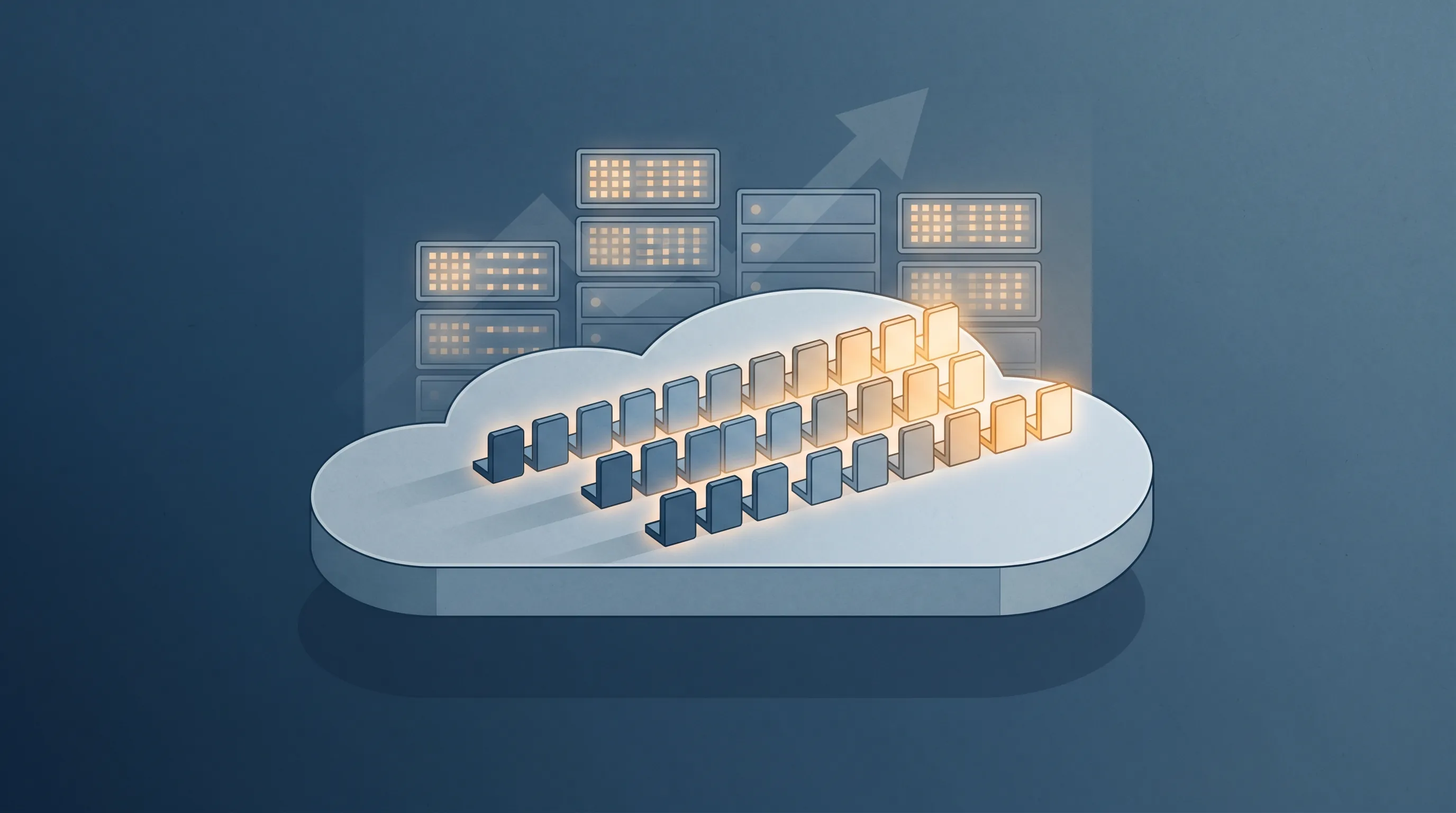
Analysts reiterated on May 26 that Microsoft’s Copilot adoption is gaining momentum and could become a material new revenue tailwind for Azure. BNP Paribas’ modeling and published analyst notes suggest Copilot seat counts and higher consumption could lift Azure growth well above typical rates.
On Microsoft’s April 29 earnings call the company said paid Microsoft 365 Copilot seats have topped 20 million, and management pointed to accelerating usage per user and seat additions as evidence of stronger enterprise traction. Those comments underpinned investor confidence that seats are converting into regular, billable activity.
BNP Paribas, cited in analyst coverage on May 26, estimated Copilot seats could exceed 25 million by the end of Microsoft’s fiscal 2026 year and argued that this scale—combined with usage-based features—would materially boost Azure revenue growth. That projection was highlighted by the analyst note picked up in market coverage.
Part of the bullish case rests on Microsoft’s expanding AI infrastructure. The company has brought its first Fairwater AI data center online in Wisconsin and linked it to a near-full-scale Fairwater site in Atlanta, creating a higher-capacity backbone for model hosting and inference on Azure. Those facilities make a larger Copilot roll‑out technically feasible.
Microsoft has also signaled a shift in how it monetizes AI products: executives described a mix of seat licensing plus consumption-based billing for advanced features, agents, and model usage. Analysts say that “seats plus consumption” opens new upsell paths inside the existing Microsoft 365 installed base.
If Copilot adoption hits the tens-of-millions mark, Azure becomes a direct beneficiary beyond infrastructure sales to third parties like OpenAI. BNP Paribas and others modeled scenarios where stronger Copilot revenue and heavier model inference lift Azure growth above 40% in the coming quarters. Those estimates are sensitive to both seat growth and per-seat consumption.
The market implications reach into cloud GPU demand and pricing. Analysts and independent researchers say hyperscaler buildouts plus enterprise AI workloads drove an uneven GPU cycle, with demand for high-end inference and training parts supporting higher utilization of datacenter GPUs. Procurement teams are now balancing on‑demand hours, reservations, and multi-year commitments to lock capacity and control costs.
That dynamic is already affecting cloud GPU economics. Recent industry reports show on-demand H100-equivalent rental rates have come down from 2024 peaks but remain volatile across providers, while reservation and contract pricing have become more important for predictable enterprise deployments. Analysts say a big Copilot-driven lift in Azure compute would increase pressure on GPU allocation and could keep premium SKUs at a price premium.
Enterprise procurement patterns are changing as customers seek predictability for AI spend. Coverage from cloud infrastructure analysts notes a trend toward larger reservation deals, capacity blocks, and internal chargeback models that mix seat licenses with committed inference hours—arrangements that suit corporate budgeting cycles. That alters sales motions for both cloud vendors and GPU suppliers.
Not all adoption signals are uniformly positive. Some reporting has emphasized that paid Copilot penetration remains low relative to the entire Microsoft 365 user base, raising the risk that seats could underdeliver if adoption plateaus or usage concentrates in a subset of customers. Analysts say the upside remains real but not guaranteed.
For investors and cloud suppliers, the practical takeaway is that Microsoft’s enterprise distribution gives Copilot an unusually fast path to scale, and that scale could materially raise Azure’s growth trajectory if seats convert into sustained consumption. Watchers will monitor seat growth, per-seat query volumes, and how Microsoft prices and bundles Copilot features—because those metrics will also drive GPU demand, pricing, and procurement across the cloud market.