Apple’s WWDC Rebuild: Siri Becomes 'Siri AI'
Gemini powers parts of Siri; iOS 27 opens model choice via Extensions.
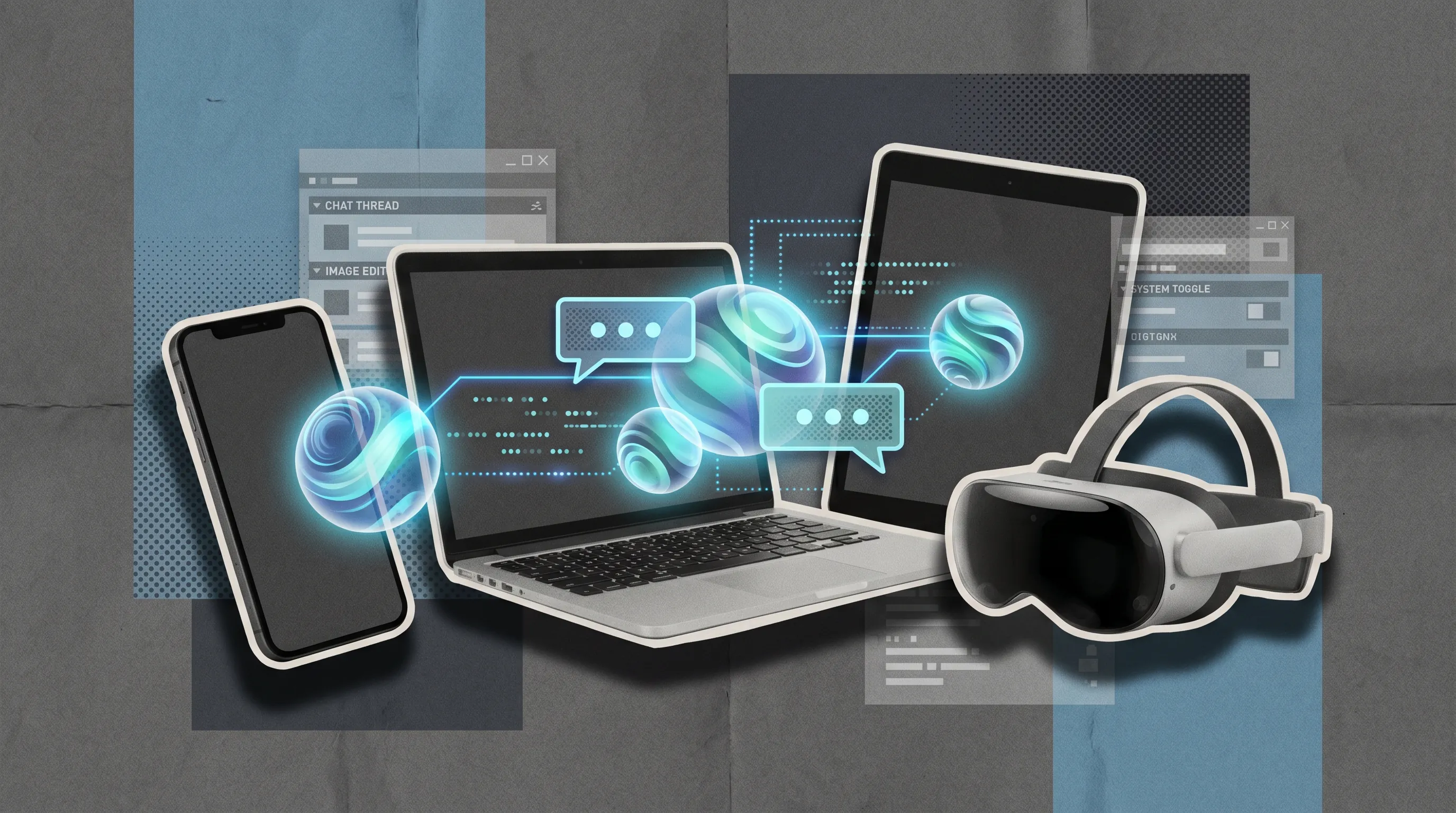
Apple used its June 8, 2026 WWDC keynote to present a long‑promised overhaul of Siri, rebranding the assistant as “Siri AI” and rolling core Apple Intelligence updates into iOS 27 developer betas released that day.
Siri AI is a rebuilt, conversational assistant with a dedicated app, expanded visual understanding, and integrated writing tools that can follow up across apps and revisit conversation history via iCloud sync. Apple said developer testing begins immediately and a user beta will arrive later this year.
Behind the scenes Apple confirmed the next generation of Apple Foundation Models was developed in collaboration with Google and that the company is extending its Private Cloud Compute system onto Google Cloud to run demanding workloads. Apple’s security team said the work leverages technologies behind Google’s Gemini family and uses NVIDIA GPUs under confidential computing protections.
Apple’s press materials emphasize a hybrid approach: more powerful on‑device models where possible, and cloud inference via Private Cloud Compute for heavier tasks such as agentic tool use and complex reasoning. Apple framed the architecture as a privacy‑forward design with verifiable guarantees.
Perhaps the biggest platform change announced at WWDC is a new Extensions framework that lets users pick which external model powers Apple Intelligence features — candidates include Google’s Gemini, Anthropic’s Claude, and OpenAI’s ChatGPT. Bloomberg reported the plan in May and Apple demonstrated the capability during WWDC.
Extensions works as a system preference: users install compatible AI apps, enable their Extension, and set a preferred model in Settings to route requests for writing, image generation, and chat to the chosen provider through Apple Intelligence surfaces. Early reporting and developer notes surfaced in pre‑release builds before WWDC.
The twin moves — a Gemini‑backed Siri AI plus an open Extensions marketplace — reflect a pragmatic, model‑agnostic posture. Apple keeps its own models and on‑device inference but also accepts best‑of‑breed cloud models when needed, while letting users choose their preferred provider. Industry coverage framed the shift as Apple moving from a single‑stack strategy to a platform that supports multiple models.
For developers, iOS 27 and the new tools expand how apps surface agentic behaviors. Apple showed deeper Spotlight and App Toolbox integrations, new App Intents and Extension hooks, and developer betas across iOS 27, iPadOS 27, macOS 27, visionOS 27 and future watchOS 27 releases. Apple said these beta builds are available to registered developers starting June 8.
Apple also flagged limits and regional caveats. Siri AI will enter user betas later in 2026 and Apple said the assistant won’t be available in all regions on day one; for example, iOS client availability and certain features are restricted while Apple works through local rules. The company reiterated that some Apple Intelligence features require newer devices.
Privacy and compliance sit at the center of Apple’s messaging. The company published technical notes describing Private Cloud Compute’s extension to third‑party data centers and said PCC on Google Cloud will include verifiable transparency tools for external security researchers. Apple insisted user data handled in PCC is not stored or made accessible to Apple.
The practical result for customers will be more capable assistant behavior across apps, plus an option to swap the underlying model if they prefer different trade‑offs in cost, tone, or factuality. Analysts say the combination reduces Apple’s exposure to a single external provider while making Apple devices a neutral host for competing models. That dynamic turns Siri and Apple Intelligence into a platform battleground for model vendors and app makers.
What to watch next: how quickly major model providers add Extensions support, whether Apple charges for Extensions or routes third‑party inference through paid PCC capacity, and how regulators evaluate cross‑cloud confidential computing promises. Apple’s WWDC changes mark a decisive shift — the company is packaging agents as platform primitives rather than keeping a single, closed assistant.