Bell, Cohere, Hypertec and BUZZ HPC Announce Sovereign AI Deal
Four-way partnership to build production-grade Canadian AI infrastructure
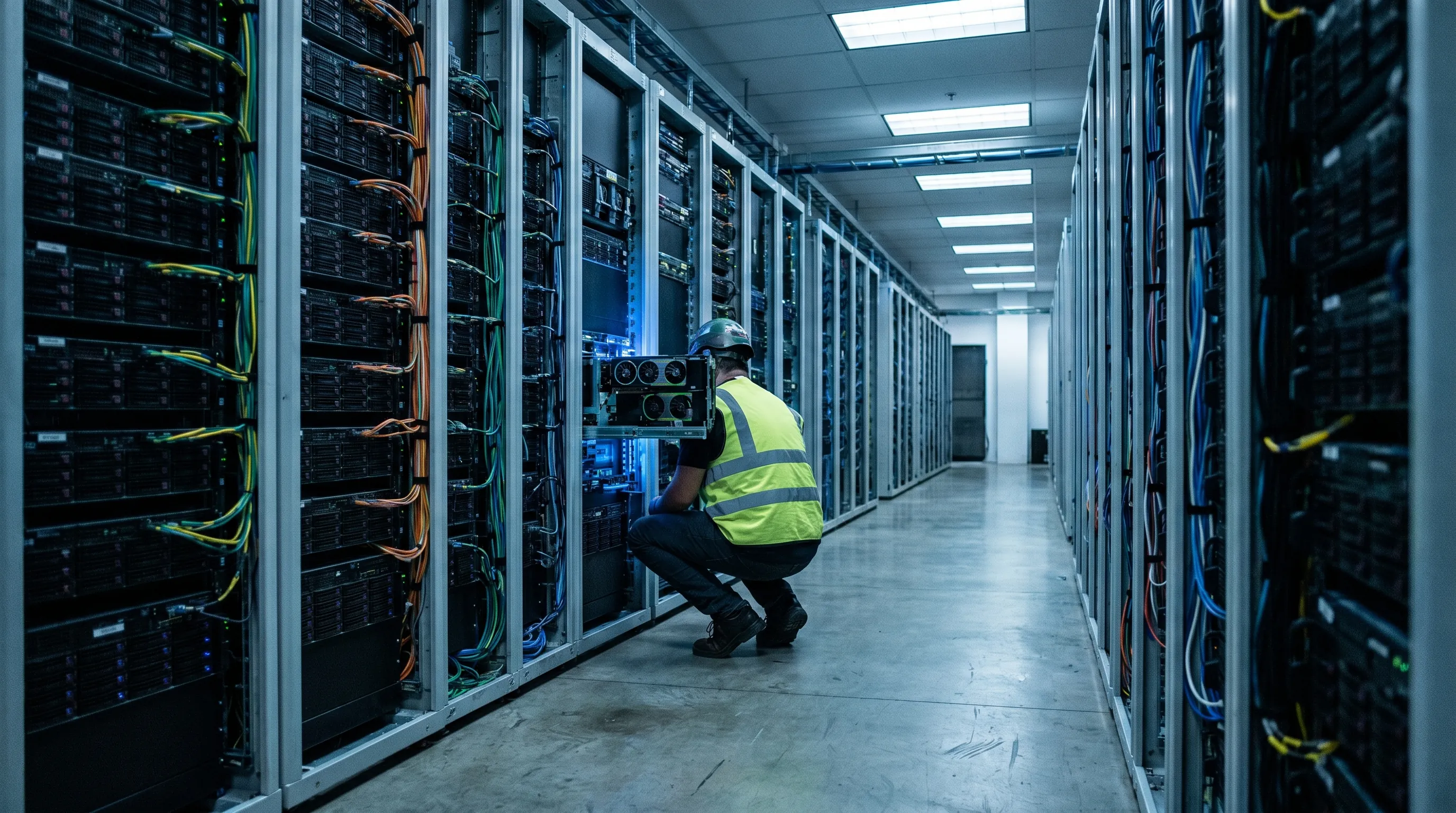
Bell Canada, Cohere, Hypertec and BUZZ High Performance Computing (BUZZ HPC) announced a multi‑partner agreement on June 18, 2026 to build production‑grade sovereign AI infrastructure in Canada. The companies said the deal aims to give government and enterprise customers Canadian‑located AI compute, storage and networking.
The arrangement blends four capabilities: Bell AI Fabric’s connectivity and data‑centre footprint, Cohere’s enterprise foundation models, BUZZ HPC’s AI‑native cloud and NVIDIA‑accelerated factory software, and Hypertec’s hardware built in Canada. Together, the partners said they will offer an end‑to‑end stack for sensitive and regulated workloads.
Under the agreement, Bell will supply data‑centre capacity and connectivity from its Merritt, British Columbia facility, described as purpose‑built for advanced AI workloads. The partners positioned Merritt as a core location for production deployments and high‑bandwidth links.
BUZZ HPC was named to provide the AI‑native cloud layer running on a Hypertec‑manufactured hardware cluster, with NVIDIA’s DSX AI factory platform powering accelerated compute and orchestration. Cohere will operate its models on the platform to serve enterprise and government customers.
BUZZ HPC is a wholly owned subsidiary of HIVE Digital Technologies and described its AI Factories as renewable‑powered, low‑PUE facilities built to host industrial‑grade GPUs for training, fine‑tuning and inference at scale. The companies framed the deal as a `sovereign AI` offering, keeping data and operations in Canada.
Executives emphasized national advantage and operational readiness. Michel Richer, president of Bell AI Fabric, said the partnership helps organizations move from experimentation to production on infrastructure located and governed in Canada, while BUZZ’s Craig Tavares said the deal “brings together a combination of capabilities that does not exist anywhere else in Canada today.”
Why `sovereign AI` matters: public agencies and regulated industries often require clear control over where models run and where data is stored. The partners pitched their stack as a way for Canadian organizations to adopt large language models while meeting local compliance, security and procurement needs.
The announcement also flagged economic and research aims. The partners said the initiative will support R&D on foundation models and provide a domestic path for companies that want to keep IP, talent and jobs in Canada rather than rely solely on foreign hyperscalers. That argument echoes recent policy pushes for digital sovereignty.
On the technical side, Hypertec — an NVIDIA OEM partner — will deliver server platforms optimized for GPU‑intensive workloads, while BUZZ and NVIDIA DSX software will handle cluster orchestration and lifecycle operations. The partners highlighted the need for specialized engineering to run production‑grade AI reliably and efficiently.
For customers, the stack is meant to support the full model lifecycle: training and fine‑tuning, secure inference, and managed production deployments. Cohere said it will operate enterprise models on the platform and offer security‑first deployment options for public‑sector and regulated use cases.
The companies warned that the announcement contains forward‑looking statements and that commercial rollouts will depend on technical integration, customer demand and regulatory considerations. Observers say challenges include recruiting specialized talent, managing power and cooling costs for dense GPU clusters, and competing on price and feature set with global cloud providers.
Taken together, the deal marks a notable example of Canadian firms bundling connectivity, locally manufactured hardware, GPU fleet operations and model software into a single sovereign offering. The partners say next steps include staged deployments and customer onboarding in Canada; timing and scale will be clarified in follow‑up announcements.