EU AI Act: Transparency Rules Take Effect Aug. 2, 2026
New documentation, model‑card and risk‑management duties apply across the single market
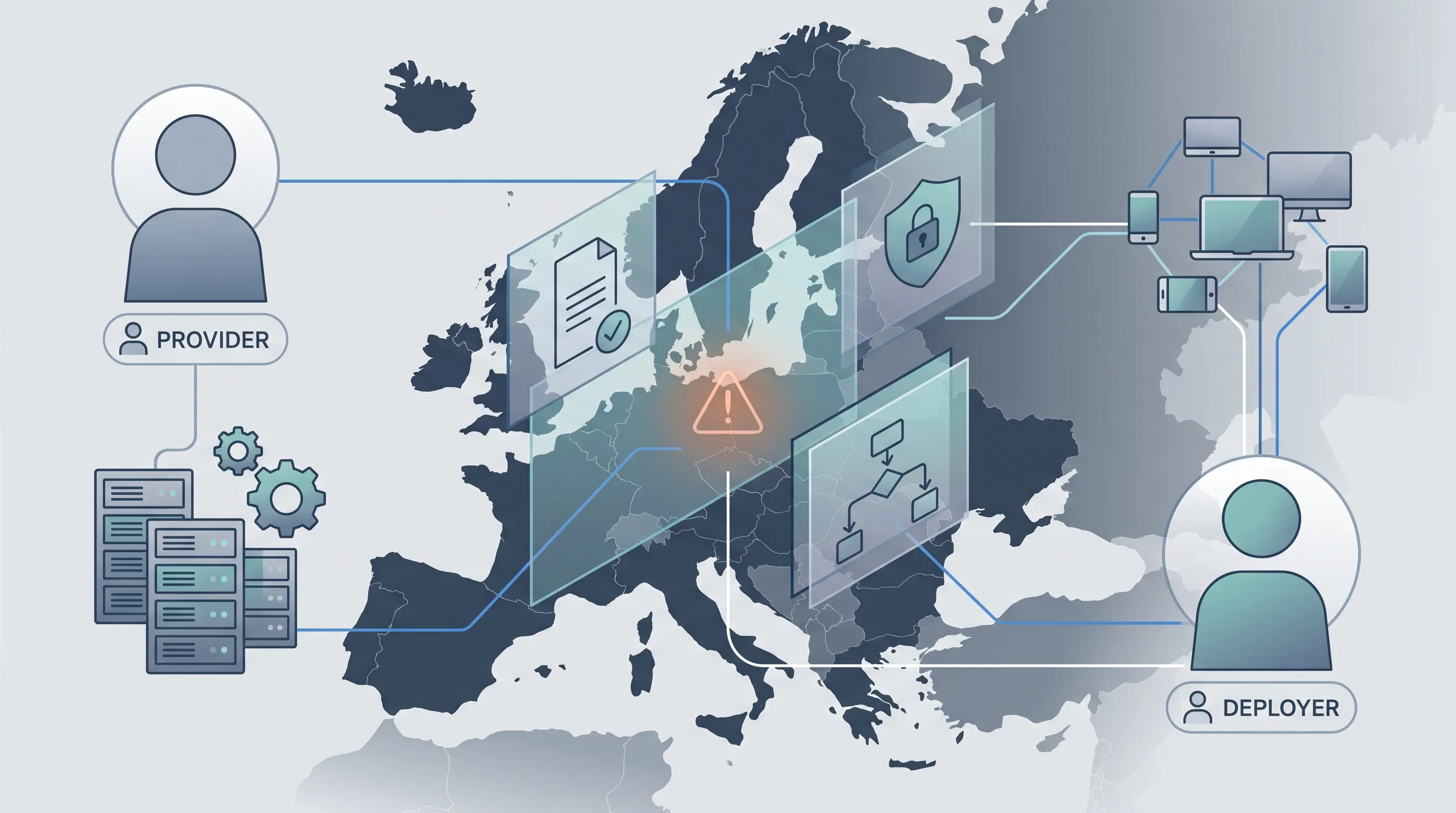
Key transparency and compliance obligations of the European Union’s AI Act moved into application on Aug. 2, 2026, triggering new documentation, risk‑management and model‑card steps for providers and deployers operating in the EU.
The measures that entered application include the Act’s public‑facing transparency duties — notably Article 50 — and a broader set of obligations that the Commission says will be enforced from Aug. 2, 2026.
Providers and deployers must now create and keep technical documentation, maintain risk‑management systems, and prepare summaries such as training‑data descriptions and model cards intended to explain key model capabilities and limitations. The Commission has published implementation guidance and templates to help companies comply.
The law applies to actors across the AI value chain: providers who place models on the EU market and deployers who operate AI systems inside the Union are both in scope, regardless of where the company is headquartered when their systems are made available in the EU.
Regulators had already given some model makers a one‑year window: the Commission’s enforcement powers over the most advanced models follow a compliance period that began Aug. 2, 2025 and now comes fully into application on Aug. 2, 2026. Companies offering large or general‑purpose models should therefore be ready for active oversight.
Not every part of the AI Act began on the same day: a targeted amendment known as the Digital Omnibus reset timelines for high‑risk systems. Rules for stand‑alone high‑risk AI systems were moved to Dec. 2, 2027, and obligations for AI embedded in regulated products were set to apply from Aug. 2, 2028.
Beyond paperwork, the law requires specific administrative steps for higher‑impact models: registration in the EU database, notification to the Commission when a system has systemic risk, and documentation that allows auditors and authorities to assess conformity. Firms should audit contracts, supply chains and third‑party components to make these records reliable.
To ease adoption, the Commission released guidance and a training‑data summary template that firms can use when documenting datasets, model design choices and mitigation measures for harms such as bias or disinformation. Regulators expect technical documentation to be maintained on an ongoing basis.
Enforcement will be carried out by the Commission together with national competent authorities and the newly formed EU AI Office and AI Board, which are intended to coordinate consistent application across member states and advise on technical issues. The Act also carries fines for serious breaches.
Legal teams and product groups should treat the Aug. 2, 2026 milestone as operational, not purely procedural: recommended first steps include a compliance gap analysis, updating risk‑management processes, adding model‑card outputs to release pipelines, and tightening contracts with cloud and training‑data vendors. The Commission guidance offers practical checklists.
Industry reaction has been mixed — businesses welcome clearer rules but warn about technical and operational complexity. Researchers and compliance experts have also highlighted structural gaps between current generative models and the new transparency architecture, suggesting some disclosures will be challenging to produce at scale.
With transparency and many non‑high‑risk obligations now live, companies selling or deploying models into the EU face earlier enforcement timelines and must update compliance programs immediately to avoid fines and market disruption. Firms should watch the Dec. 2, 2027 and Aug. 2, 2028 milestones for high‑risk systems and follow Commission guidance as it evolves.