Hyperscaler AI Capex: Mapping the $710B Year
New mid‑May analysis models $710B in hyperscaler AI spending and flags GPU, memory, packaging, and power pinch points
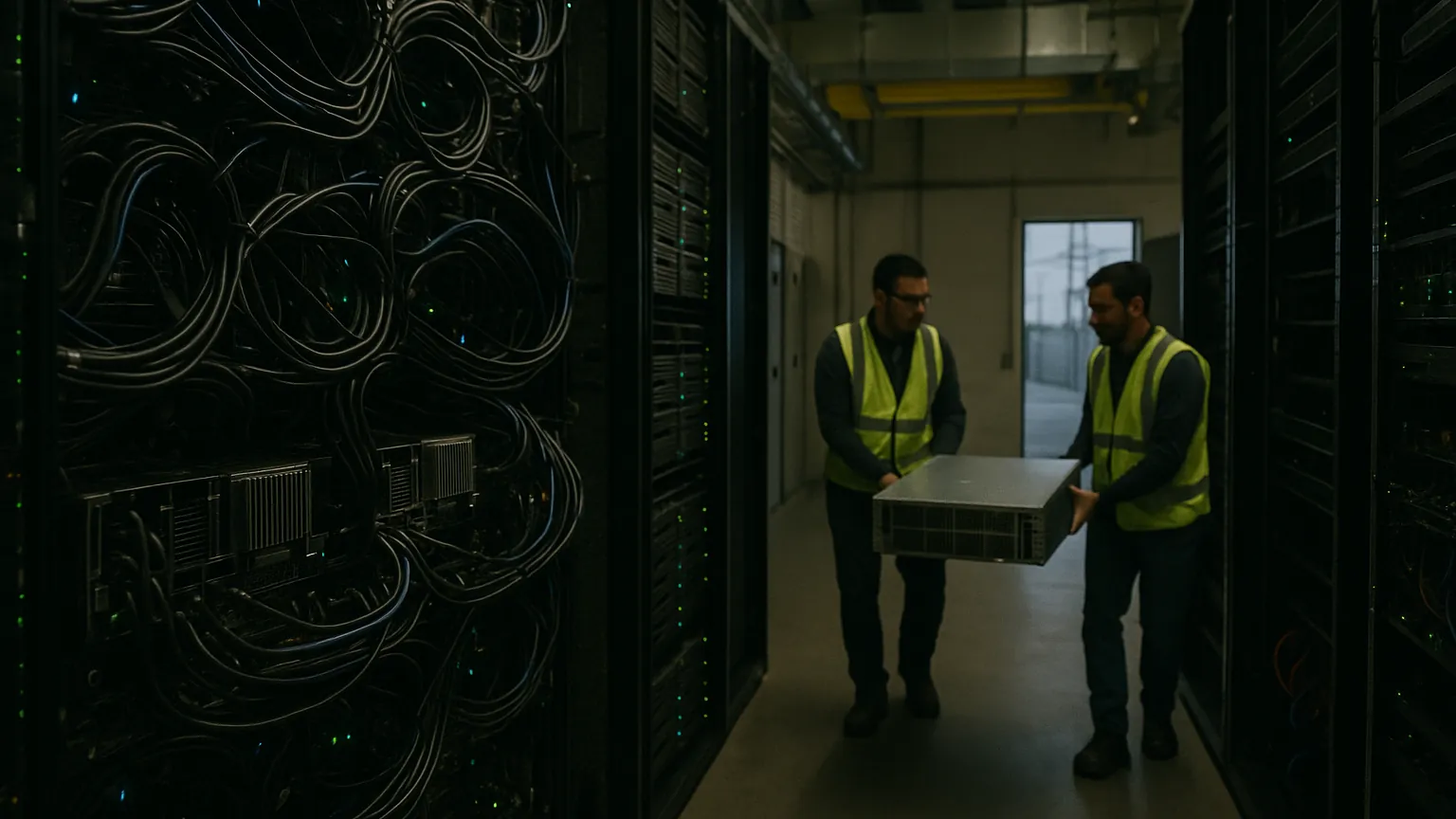
A new market study published in mid‑May models hyperscaler AI capital expenditure near $710 billion for the 2026 year, a figure that Analysis Atlas frames as the “compute bill” for the major cloud operators and their contracted AI partners.
The $710 billion number is a blended estimate that mixes direct equipment purchases, data‑center builds, power contracts, and long‑term procurement commitments. The report aggregates public earnings guidance, disclosed large contracts and third‑party trackers to move from piecemeal announcements to a single annualized capex view.
Crucially, the research breaks that envelope into which accelerators will carry most of the load: modern GPUs remain the dominant unit for large‑scale training, while TPUs, custom ASICs, and domain‑specific accelerators fill inference, embedding, and specialized workloads. The report models a tiered deployment where GPUs take the lion’s share of raw training capacity, with TPUs and custom silicon concentrated in hyperscalers that have vertically integrated ML stacks.
That split matters for procurement teams. For hyperscalers, GPU purchases are now a multi‑quarter negotiation that ties together foundry yields, memory supply, and advanced packaging slots. Buying GPUs no longer means only ordering dies — it means securing a bonded stack: the GPU die, HBM stacks, high‑density substrates, and test/qualification runs that turn chips into rack‑ready modules.
The Analysis Atlas model helps explain why companies are signing multi‑year deals and equity swaps with AI labs and chipmakers. Locking supply flows — whether by buying memory quotas, pre‑paying for packaging capacity, or tying up long‑lead transformers and power purchase agreements — is now an essential procurement tactic to ensure deployed silicon can actually be energized and used.
Industry trackers and major outlets report that HBM (high‑bandwidth memory) is the tightest hardware choke point in the stack. Memory designed specifically for AI accelerators has been prioritized by fabs and OEMs, leaving limited spare capacity for new entrants and putting HBM allocations at the center of sourcing strategies. Bloomberg and others document how HBM demand from data‑center training workloads has surged and is reshaping DRAM markets.
Packaging capacity — the advanced 2.5D and 3D solutions used to attach HBM to GPU dies — is the second major constraint. CoWoS‑class interposer and substrate lines at a small number of foundries and OSATs are oversubscribed, lengthening lead times and increasing the premium on qualified packaging partners. That bottleneck drives an unusual procurement pattern: hyperscalers pay a premium not just for chips, but for the right to access a specific packaging queue.
Power and grid access form the third binding limit the research highlights. Even when GPUs and memory are in contract, many hyperscaler projects are slowed by interconnection queues, transformer lead times, and local permitting for generation and cooling. Several analyses and energy‑industry observers say electrification and long PPA deals have become as important as silicon reservations when planning expansion.
The practical result is a new layered procurement roadmap. First, lock long‑lead inputs: memory wafer allocations, packaging slots, and specialized substrates. Second, secure grid access and long‑term power through PPAs, behind‑the‑meter generation, or multi‑decade nuclear and renewable deals. Third, align software and model roadmaps to hardware availability windows so training pipelines do not outrun physical capacity.
For vendors and investors, the map matters. Chipmakers and memory suppliers with tied HBM or packaging capacity command outsized pricing power, while power‑project developers, OSATs, and certain materials suppliers become the unseen winners of the capex wave. The $710 billion figure is therefore not just a headline; it allocates margins and geopolitical leverage across multiple supply nodes.
What could change the picture? Faster-than‑expected wafer and packaging ramp, an easing of interconnection timelines, or a pause in hyperscaler ordering would lower both the headline capex and the acute shortages. Conversely, if demand continues to re‑rate higher generations of HBM or hyperscalers accelerate site builds, the $710 billion year could look conservative in retrospect. The Analysis Atlas team flags those downside and upside risks as the key variables to watch.