ICE and Ornn to list GPU compute futures tied to live OCPI
USD cash‑settled futures will reference Ornn’s Compute Price Index to enable hedging and price discovery
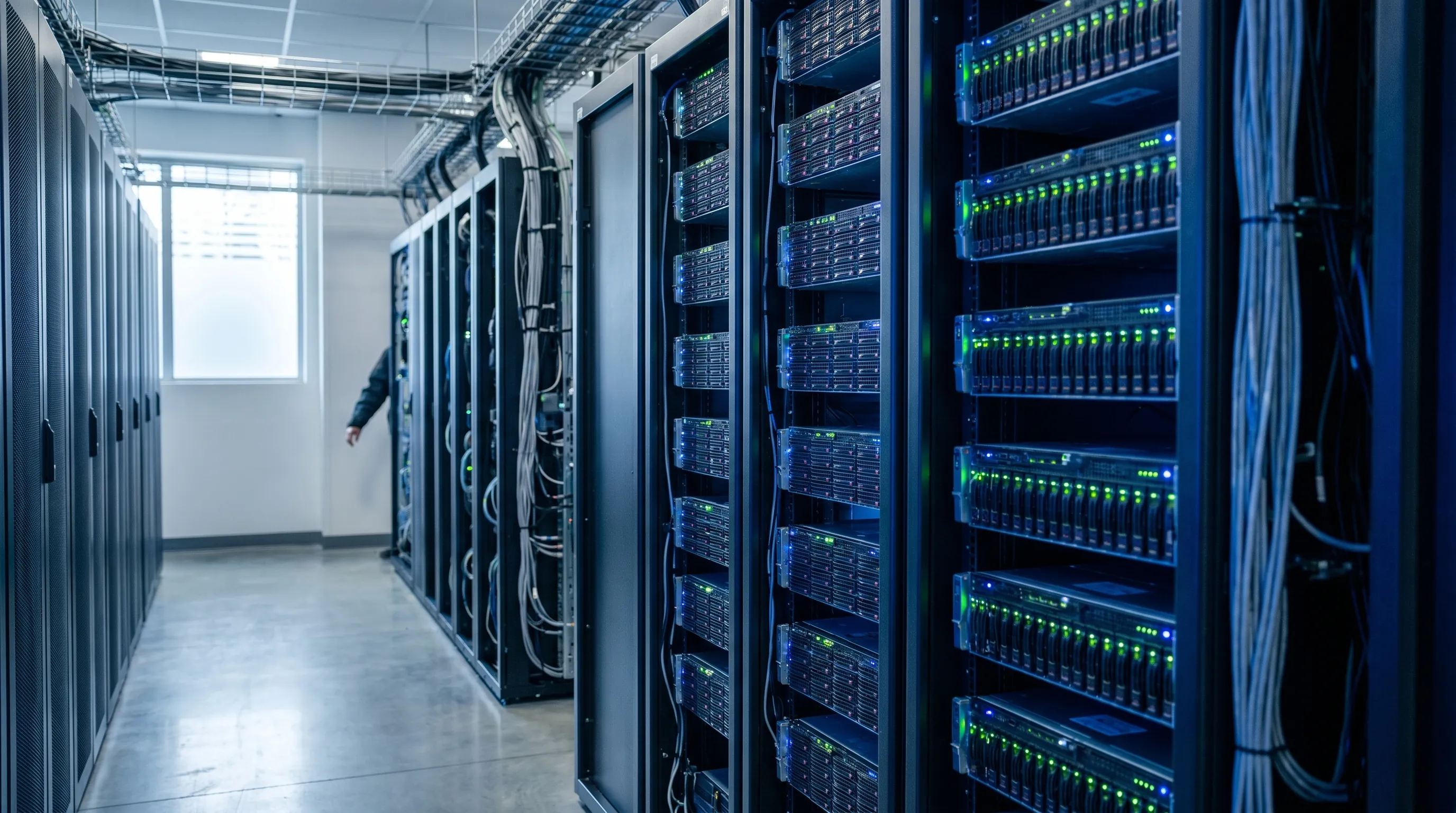
Rows of illuminated server racks and extensive network cabling line a brightly lit aisle inside a data center facility. © The GPU Trade Inc 2026
Intercontinental Exchange (ICE) and compute‑market firm Ornn announced plans to launch a suite of U.S. dollar‑denominated, cash‑settled futures contracts that reference Ornn’s Compute Price Index (OCPI). The announcement appeared in an ICE press release describing the planned product and its aims.
OCPI is presented by Ornn as a live, transaction‑based index that tracks spot rental prices for GPU compute across major hardware types. Ornn and the ICE release note the index is built from printed, live trades rather than indicative quotes or estimates.
ICE said the new contracts will be cash‑settled and cleared, using OCPI as the reference rate, and that individual contract series may cover GPUs such as NVIDIA H100 and H200, Nvidia/partner B200, and the RTX 5090 among others as the market evolves. The exchange framed the contracts as aimed at broader participation.
Ornn described the listing as adding “essential pricing and risk‑transfer infrastructure” to the compute economy and said OCPI has already been made available to institutional channels, including distribution on the Bloomberg Terminal. The company has marketed the index as the first institutional, trade‑based compute benchmark.
ICE said the contracts are intended to provide systematic price discovery and hedging tools for the global compute market, enabling cloud providers, large AI firms, trading desks and data‑center operators to manage exposure to volatile GPU access costs. The exchange emphasized the effort would create standardized, tradeable reference points for compute pricing.
Ornn’s published index methodology describes how the OCPI aggregates individual instance prices and trade volumes to produce real‑time, per‑hour compute rent rates for different GPU classes. The methodology document spells out data filters and aggregation steps intended to make the index reproducible and auditable.
The planned launch remains subject to regulatory approval, ICE and Ornn said, and the companies flagged the usual forward‑looking risks. ICE’s release referenced SEC filings and the potential for timing or outcome changes depending on review. No firm listing date was provided in the announcement.
The move follows other early market efforts to make compute tradeable: third‑party providers have already been packaging compute price feeds and a recent set of partnerships and pilot products showed investor and platform interest in hedging GPU rental costs. Industry observers say the new ICE contracts would be the most visible, exchange‑cleared vehicle yet.
Market background helps explain demand. GPU access and rental prices have been volatile in 2025–2026 as hyperscalers, cloud providers and large model trainers competed for limited Blackwell and Hopper family inventory, and independent spot markets for rented instances grew rapidly. Those conditions make standardized hedging tools attractive to both buyers and sellers of compute.
Traders and institutional desks may view cleared futures as a way to hedge exposure without the counterparty credit risk of bilateral deals, while cloud and hosting providers could use short positions to lock forward revenue for pre‑sold capacity. At the same time, participants cautioned that new futures need adequate underlying liquidity to function as effective hedges.
Analysts and index critics point to common challenges for nascent commodity markets: ensuring transparent, representative pricing; guarding against manipulation in thin segments; and managing operational complexity of mapping a heterogeneous rental market to a single cash‑settlement price. Ornn’s methodology and ICE’s clearing structure will be watched closely for how they address those issues.
If approved and listed, the ICE‑Ornn contracts would mark a clear step in the financialization of compute, turning hours of GPU access into exchange‑traded risk instruments. For an industry built on opaque spot markets and private bilateral supply contracts, a cleared futures market could change how companies budget and hedge the rising costs of AI compute.