Leaked Vera Benchmarks Shake Server Market
Early May 27 previews show Vera leading in select tests, sparking debate over methodology
A wave of leaks and early previews posted May 26–27 have put Nvidia’s Vera CPU at the center of the server-hardware conversation ahead of Computex. Independent testing hosted at Nvidia’s Santa Clara lab and published by Phoronix shows the 88‑core Vera using the in‑house “Olympus” core punching well above typical ARM expectations.
In the geometric mean of the curated test set, reviewers report Vera edging AMD’s high‑frequency EPYC and posting a much larger gap against an Intel Granite Rapids Xeon in selected workloads. HotHardware summarized Phoronix’s headline numbers — roughly an 11% lead vs. EPYC and about a 55% lead vs. a top Xeon in those tests.
Phoronix says the testing was done on an NVIDIA‑provided pre‑production system running Ubuntu 24.04 LTS and patched kernels, and that some usual monitoring was restricted at Nvidia’s request. That caveat, stressed by testers, is central to why some engineers call these early results interesting but incomplete.
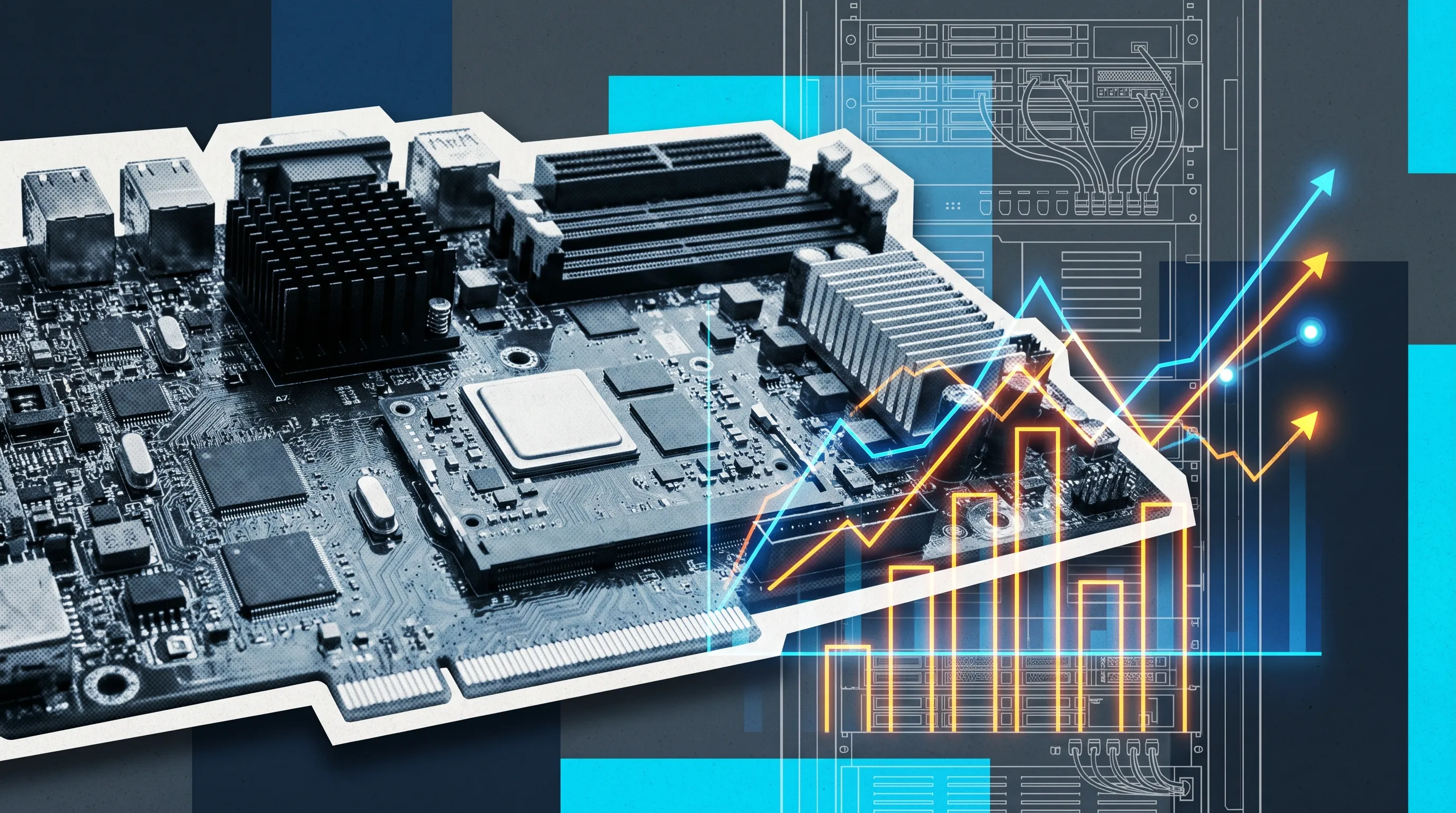
The leaked material included photos of Vera modules and system boards used in the demos, which circulated on social channels and were republished in press galleries. Outlets that covered the tests noted imagery of the Vera compute module, SOCAMM2 LPDDR5X memory modules, and large liquid‑cooling hardware used in the Rubin racks.
Nvidia’s architecture choices are part of the story: Vera uses a monolithic 88‑core die built on the Olympus core, pairs with LPDDR5X for very high sustained memory bandwidth, and targets agentic AI orchestration and data‑movement workloads rather than legacy x86 tasks. The design decisions, not just raw clock speed, help explain where Vera showed the biggest wins.
Benchmark winners varied by workload. Tests that stress memory bandwidth, database query engines, and some JIT‑compiled workloads showed Vera strongly‑favorable results; encoding, some Python workloads, and other legacy tasks produced closer margins or wins for AMD. Reviewers emphasize the sample of benchmarks was chosen to reflect the workloads Nvidia expects customers to run.
Power and platform questions are unresolved. Nvidia lists a 450W socket TDP for the Vera system tested and an additional power draw for the fast LPDDR5X memory; testers were not allowed to run independent power‑profiling during the visit, so efficiency claims remain provisional. Tom’s Hardware and Phoronix both flagged this as a major open question.
The early leaks instantly provoked debate in forums and social media about how representative the tests are. Enthusiasts and some industry engineers pointed to the curated workload list and Nvidia’s control over monitoring as reasons to treat the numbers cautiously, while other observers said the results still represent a rare case of an Arm‑based server CPU competing at x86‑class single‑thread and rack‑density levels.
For Intel and AMD, Vera represents both a technical and commercial question. Analysts and coverage this week noted that AMD’s Zen‑6 and Intel’s next Xeon families are already slated for refreshes this year and next; those chips could close gaps for legacy server use cases even if Vera keeps its lead in agentic AI flows. Publications advised readers that the server roadmap remains dynamic.
Beyond raw numbers, the leaks matter because they make Nvidia’s vertical‑integration play tangible: chip, memory packaging, high‑bandwidth interconnects, and rack integration under the Rubin architecture. Several supply‑chain analyses published recently also pointed out the unusually high PCB and memory costs in Rubin‑class racks, underscoring why customers will weigh both performance and total system economics.
What happens next is straightforward and fast: wider, vendor‑neutral testing; independent power and thermal measurements; and real‑world customer deployments. Phoronix and others have said more exhaustive results will be useful, and industry watchers expect fresh test suites and third‑party labs to publish follow‑ups around Computex and in the weeks after. Until then, the leaked benchmarks and photos are a provocative preview — not a definitive verdict.