Microsoft's Project Polaris to Replace GPT-4 Turbo in Copilot
Polaris — an in‑house MoE coding model — becomes Copilot’s default in August 2026
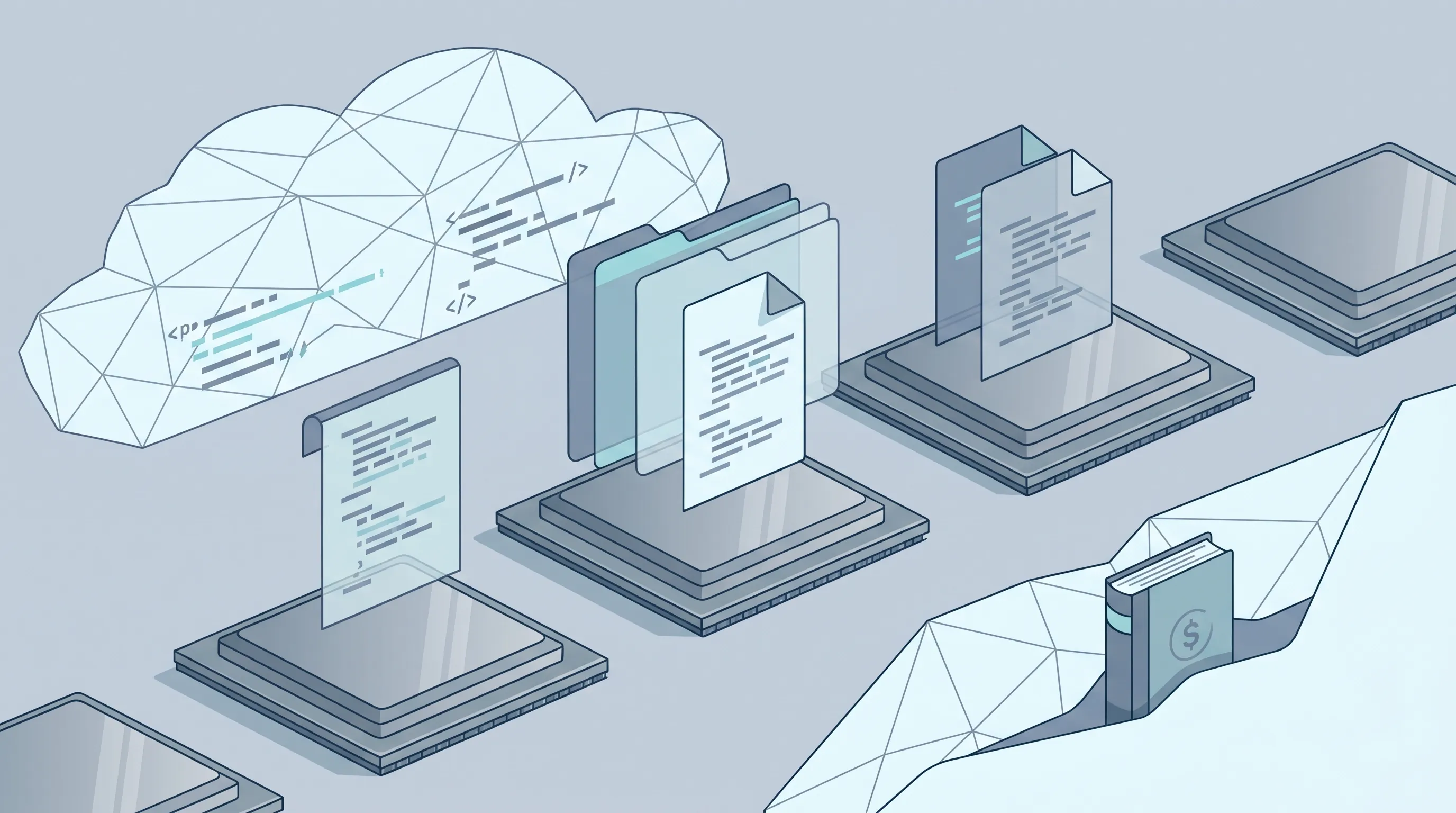
Microsoft used the opening keynote at Build 2026 on June 2 to unveil Project Polaris, its first in‑house coding model set to become the default reasoning engine for GitHub Copilot in August 2026.
Microsoft describes Polaris as a purpose‑built, mixture‑of‑experts (MoE) model trained and tuned for software work — code generation, multi‑file refactoring, tests, code review, and documentation.
The company also said Polaris will run on Microsoft’s own Maia / Maia‑class accelerators inside Azure, a move Microsoft says will cut per‑inference latency and lower operating cost compared with routing every Copilot call through an outside API.
GitHub Copilot users will be migrated automatically to Polaris in August, with an optional fallback period that lets teams keep GPT‑4 Turbo for about three months while they test integrations and workflows.
The shift is significant because Copilot has been one of Microsoft’s largest AI consumer workloads; hosting the default model in‑house reduces Microsoft’s exposure to external inference bills and gives the company more control over update cadence and enterprise tuning.
Microsoft and GitHub will still offer OpenAI and other third‑party models as selectable alternatives inside Copilot, so Polaris is a default rather than an exclusive replacement.
Under the hood, pre‑release descriptions and demos shown at Build emphasized Polaris’ MoE design: specialized submodules for different languages and tasks, plus inference‑time planning tricks aimed at long, multi‑file edits and tree‑of‑thought style reasoning. Independent benchmarks weren’t published at launch; Microsoft and third parties say independent verification is forthcoming.
For developers and engineering teams, the change means one practical step: test Copilot‑dependent automation and the Copilot SDK against Polaris before the August migration to avoid surprises in formatting, refusal behavior, or subtle reasoning differences. GitHub’s model‑selection controls will remain available for teams that need to lock a workflow to a particular backend.
Polaris also arrives alongside a larger set of Build announcements that position Microsoft as a model and infrastructure provider — not just a distribution partner. The company promoted new MAI models, Azure AI Foundry expansions, and agent frameworks at the same event, underscoring a platform strategy for first‑party model hosting.
Microsoft stressed the enterprise angle in its messaging: running Copilot’s default engine on its own accelerators lets it tune compliance, data handling, and governance for regulated customers while keeping cost predictability in house. That pitch targets CIOs and platform teams worried about third‑party licensing and inference exposure.
Industry observers say the move reduces Microsoft’s commercial dependence on OpenAI for its single most widely used developer product, though it does not sever the broader partnership that still powers Azure OpenAI Service and other Microsoft offerings. Microsoft framed Polaris as a product‑level independence play while leaving the multi‑model, partner‑friendly architecture intact.
Practical timeline reminders: Polaris was announced at Build on June 2, 2026; preview rollouts begin in June–July; Polaris becomes the default in August 2026; and the optional GPT‑4 Turbo fallback window closes roughly three months after migration. Teams planning large refactors, CI integrations, or audit processes should schedule testing into the coming weeks.