Mistral, HUMAIN Forge Saudi Sovereign AI Partnership
French model lab and Saudi HUMAIN to co‑develop local infrastructure, Arabic models and regional inference.
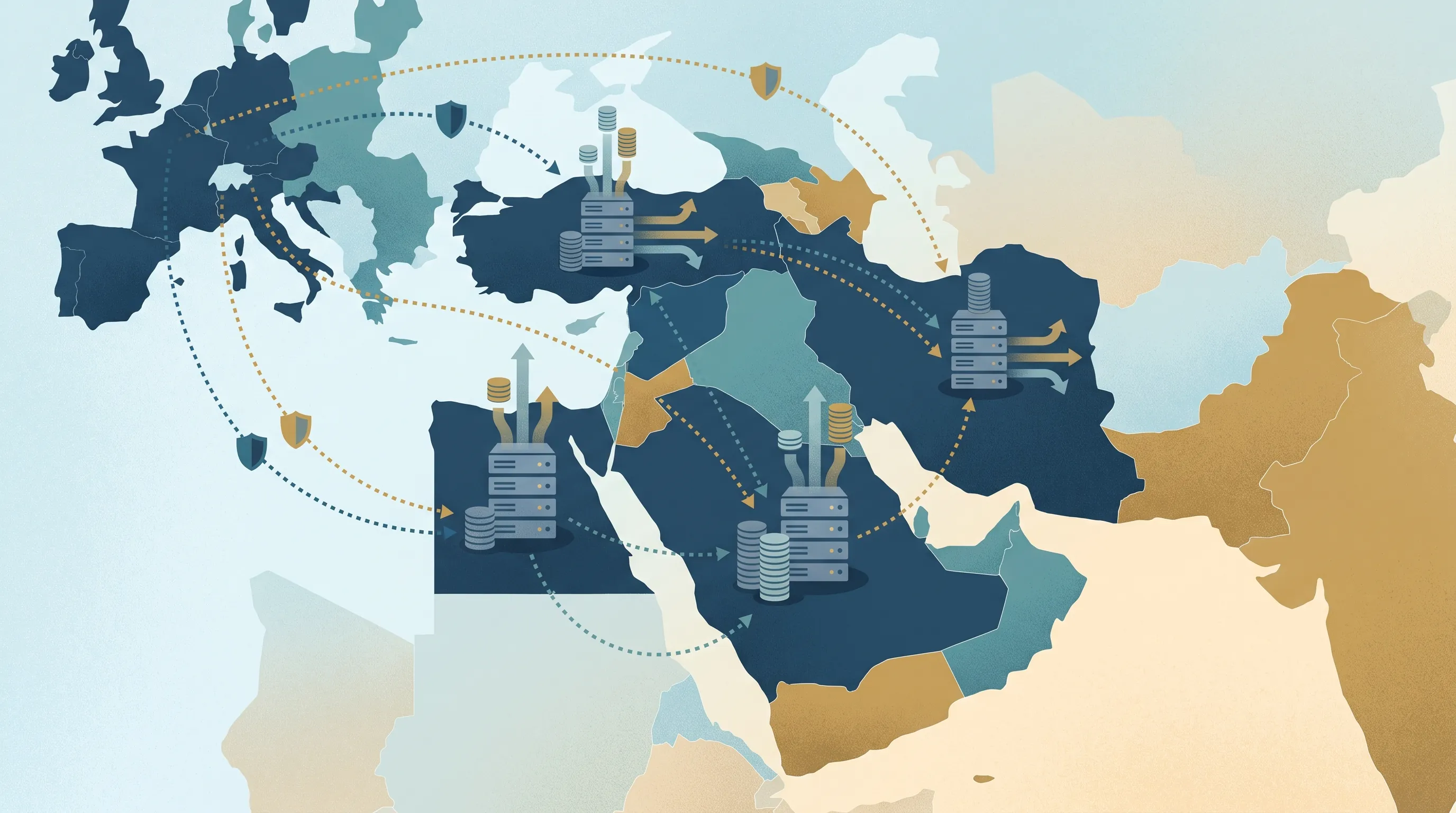
French model developer Mistral and Saudi AI company HUMAIN announced a strategic collaboration on August 24, 2026 to build local compute, develop models, and deliver inference services across Saudi Arabia and the wider Middle East.
The agreement covers three broad areas: AI infrastructure, advanced model development and the deployment of AI solutions for public and private customers in the region.
Initial priorities named by the companies include cybersecurity and voice technologies, plus development of frontier models tuned for Arabic. The partners said the program represents an investment in the “hundreds of millions of euros” range, and Mistral will explore using HUMAIN’s data‑center capacity to host local compute.
Mistral framed the deal as part of a wider push toward sovereign AI — systems where data, models and compute stay under customer control and inside preferred jurisdictions. The company said the HUMAIN tie‑up follows recent moves to secure more regional capacity, including expanded cloud partnerships in Europe.
HUMAIN is Saudi Arabia’s PIF‑backed AI champion and the commercial steward of the ALLaM Arabic model family. The organization has spent 2025–26 assembling large infrastructure and commercial partnerships aimed at building Arabic‑first models and in‑country cloud and inference capacity.
The deal reflects a broader regional trend: Gulf states are financing local compute and model programs so they can run sensitive workloads inside national boundaries. Analysts say those moves accelerate regionalization of AI away from a handful of major cloud hubs.
Operationally the partnership signals that customers in regulated sectors can expect more on‑shore options for training and inference. Mistral and HUMAIN said they will pursue a joint go‑to‑market strategy for regulated industries such as finance, telecommunications and public services.
For the region this could speed adoption of Arabic‑optimized frontier models and lower latency for inference by locating GPUs and inference stacks closer to end users. HUMAIN’s prior infrastructure announcements and partner pipeline suggest it can offer multiple inference pathways and hardware suppliers.
The scale and timing matter. Public filings and industry trackers show HUMAIN has already contracted significant GPU capacity and overseas firms have taken stakes and signed commercial deals; the Mistral collaboration layers European model engineering onto that emerging Saudi compute footprint. Observers say Gulf capital is increasingly flowing into European AI labs and projects.
Security, governance and export controls remain practical constraints. Building sovereign stacks reduces some operational risk but raises questions about model provenance, cross‑border data flows, and how export controls or national rules will shape what can be moved or shared. Analysts caution these programs will need clear technical and legal guardrails.
Mistral and HUMAIN gave few public details about exact timelines or which models will be ported first, but both firms said joint work would begin immediately and emphasized long‑term commercialisation across the Gulf. Companies and governments now face implementation questions — from rack‑level cooling and power to staffing and local governance.
What to watch next: announcements of concrete deployments, model cards and API channels for Arabic frontier models, the first customer pilots in regulated sectors, and how partners manage cross‑vendor hardware for inference. The deal is a clear marker that sovereign and regional partners are accelerating local compute and model rollouts outside the major cloud hubs.