Musk v. OpenAI Trial Exposes Safety Tensions
Courtroom testimony highlights conflicts between product pushes and safety processes
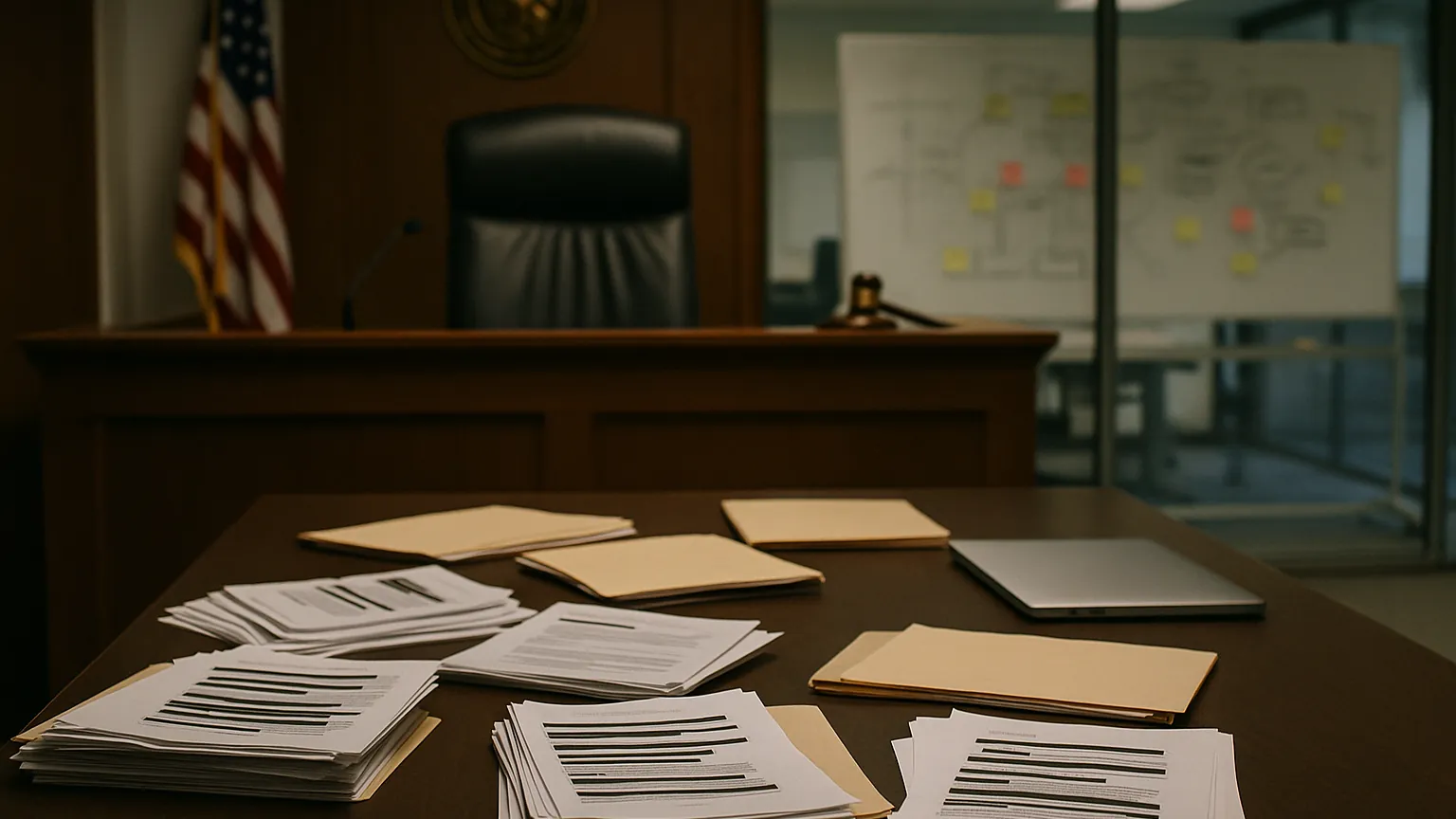
Courtroom testimony this week has put OpenAI’s internal safety and governance practices under intense public scrutiny, turning what was a corporate dispute into a wider debate about AI stewardship. Journalists and jurors have heard former employees describe clashes between rapid product rollouts and established safety reviews.
A former OpenAI technology chief testified via recorded video that CEO Sam Altman’s leadership created “chaos” and distrust among top executives as the company raced to deploy powerful models, according to reporting based on Reuters’ coverage of the hearing. That testimony has become a central piece of Musk’s narrative.
Elon Musk’s own testimony — in which he framed AI as an existential risk — has amplified the safety theme and shifted attention from corporate governance to potential societal harms. Musk has warned about worst‑case scenarios on the stand and argued OpenAI drifted from its founding safety commitments.
The trial has relied heavily on internal documents, emails and messages disclosed in discovery, producing snippets that paint a picture of hurried product decisions and heated internal debate. Legal experts say those communications make it easier for jurors and the public to see how safety processes were applied — or bypassed.
Multiple former employees described tensions between product pushes and safety processes, telling the court that speed to market sometimes overrode longer safety vetting. Testimony has included specific examples of models and deployment timelines that critics say moved faster than the company’s own review structures.
OpenAI’s legal team has pushed back in court, arguing the company invested heavily in safety research and governance as its models matured. Defense witnesses and cross‑examinations have sought to frame internal disagreements as normal growing‑pains for a high‑growth tech company, not evidence of systemic safety failures.
Beyond this case, the testimony is reshaping a public question: can frontier AI labs responsibly commercialize ever‑more powerful models while keeping robust safety checks in place? Commentators and analysts say the trial is forcing a practical reckoning about tradeoffs that previous debates treated as hypothetical rather than operational.
Lawmakers and regulators are watching. The trial arrives amid renewed calls for clearer oversight and standards for model deployment, with some lawmakers citing courtroom revelations to argue for stronger disclosure and audit requirements for high‑risk AI systems. Industry insiders say those proposals could accelerate if the trial keeps surfacing new internal evidence.
The proceedings have also exposed technical questions about how companies build, test and share models. Testimony touched on practices such as model distillation and third‑party training, issues that blur legal, contractual and safety boundaries between firms and researchers. Those technical details are now part of a courtroom record.
The trial’s public airing of internal governance conflicts has put board structure and the company’s capped‑profit model under the microscope. Critics say those arrangements may have created incentives to prioritize growth and partnerships over the slower work of safety assurance; defenders argue the structure preserved mission while enabling scale.
Whatever the verdict, the Musk v. OpenAI trial is likely to leave a legacy beyond the courtroom. It has already changed the conversation from abstract warnings about future risks to concrete examples of how safety processes interact with product strategy. For policymakers, investors and other labs, those examples will matter when shaping next steps in regulation and corporate practice.