Nvidia, LG Partner on Humanoid Robots and Future Data Centers
Jensen Huang confirms collaboration to combine physical AI, robotics and data‑center systems
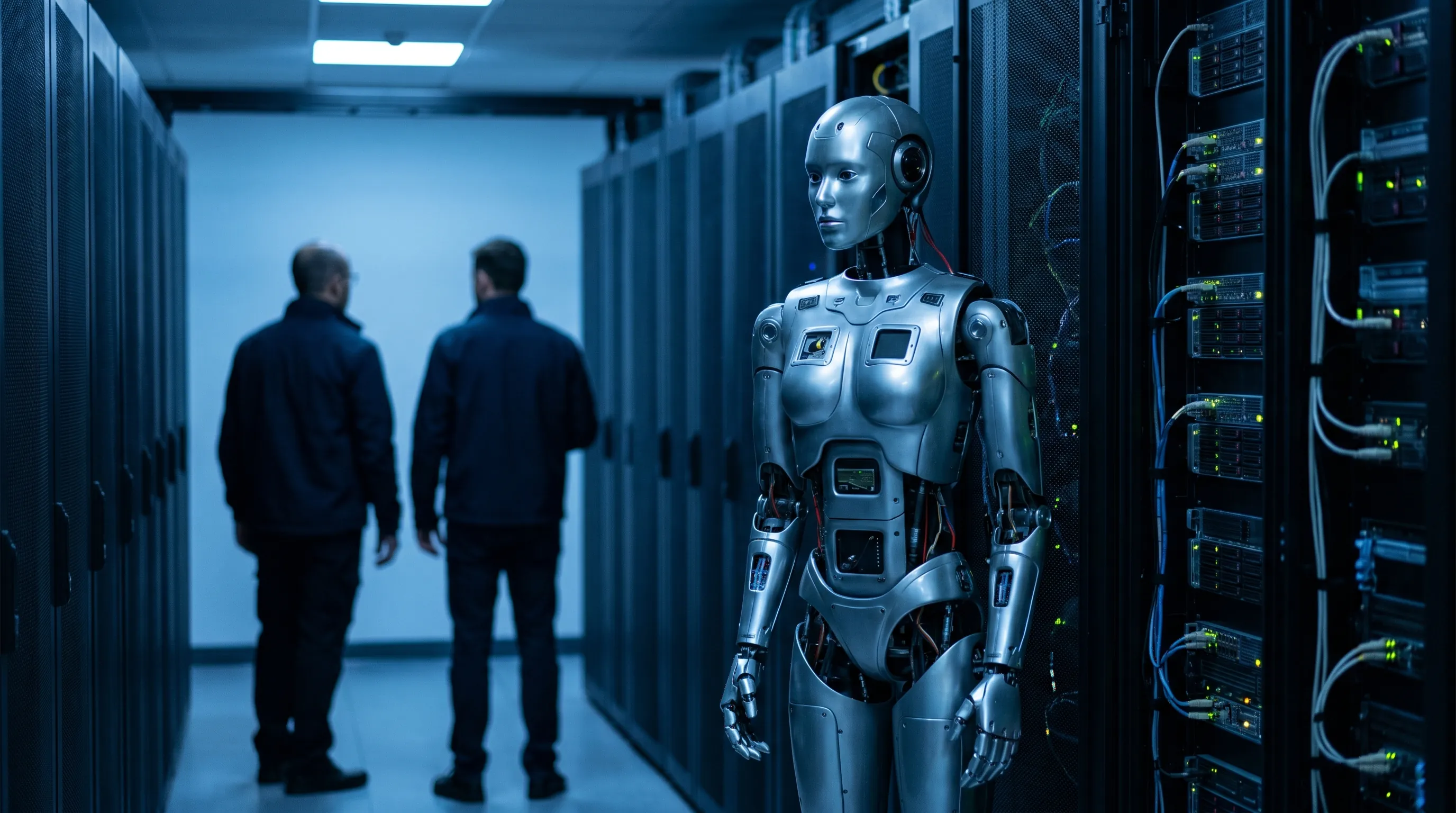
Nvidia confirmed on June 8, 2026, that it is partnering with South Korea’s LG Group to develop humanoid robots and next‑generation data center systems, marking a public step into closer systems and hardware integration with a major conglomerate.
Nvidia CEO Jensen Huang announced the collaboration after meetings in Seoul, saying the work will tie Nvidia’s AI software and model stacks to LG’s robotics, mobility and data‑center engineering capabilities. The announcement frames the deal as part of a wider push into “physical AI.”
The partnership builds on Nvidia’s recent robotics strategy: the company has released open robotics models and toolchains such as Isaac GR00T and Cosmos, and it says it is moving to provide end‑to‑end software, models and infrastructure for robots that operate in the real world. Nvidia’s recent press material describes a broad physical‑AI stack for training, evaluation and deployment.
LG Group brings manufacturing scale, consumer electronics know‑how and an existing robotics roster to the table, according to Nvidia’s blog post and excerpts from LG briefings. Nvidia framed the relationship as an “AI factory” style collaboration that couples its software with LG’s hardware and systems capabilities.
The tie‑up is notable because it pushes Nvidia further along the stack from chips and GPUs toward integrated systems that include robots and the data centers that will power them. Nvidia’s broader roadmap — including its Rubin platform of data‑center racks and HGX systems — shows the company is designing both the brains and the facilities that run those brains.
Nvidia’s announcement came as part of a wider Korea visit that included discussions with other local technology groups and suppliers, a move analysts say is aimed at securing supply chains and production partners for next‑generation AI infrastructure. Nvidia also signaled ongoing talks with South Korean firms about memory and server partnerships.
Practical uses for humanoid robots that Nvidia and LG name range from logistics and manufacturing to service roles, where robots can perform “real work” alongside humans, according to coverage of Nvidia’s robotics demos and partner plans at industry events earlier this year. Those demos have emphasized perception, reasoning and task planning as key challenges.
Nvidia has been building a partner ecosystem across industrial and humanoid robotics, citing collaborations with established robot makers and startup pioneers in press releases that present a long roadmap from lab to production. The company positions itself as a provider of robot brains, simulation and data‑center infrastructure.
The LG deal underscores a strategic trend: major chip designers are seeking vertically integrated relationships with OEMs to accelerate deployment and lock in demand for specialized AI hardware, software and services. For Nvidia, that could mean more predictable scale for its next‑generation accelerators and for LG, access to advanced AI stack technology.
Observers say tighter integration raises questions about supply, standards and workforce impacts as robots move into commercial roles, and about safety and regulation for increasingly capable physical AI systems. Commentators and reporters who covered Nvidia’s robotics showcases have flagged those policy and labor issues as areas to watch.
Neither company provided a detailed commercial timetable in the initial announcements; Nvidia’s statements and blog post frame the work as multi‑year and ecosystem‑driven, with demonstrations and reference designs preceding any mass deployment. Investors and customers will watch for product road maps and pilot programs announced later this year.
The collaboration signals how the AI industry is evolving: companies that once competed primarily on chips now aim to offer integrated hardware, software and services from the cloud to the factory floor. For regulators, customers and workers, the partnership will be an early test case in how those stacks are governed and deployed at scale.