Samsung Shifts DDR5 Module Output to OSATs for HBM Push
Incremental DDR5 assembly moved to partners so Samsung can redirect back‑end lines to HBM work
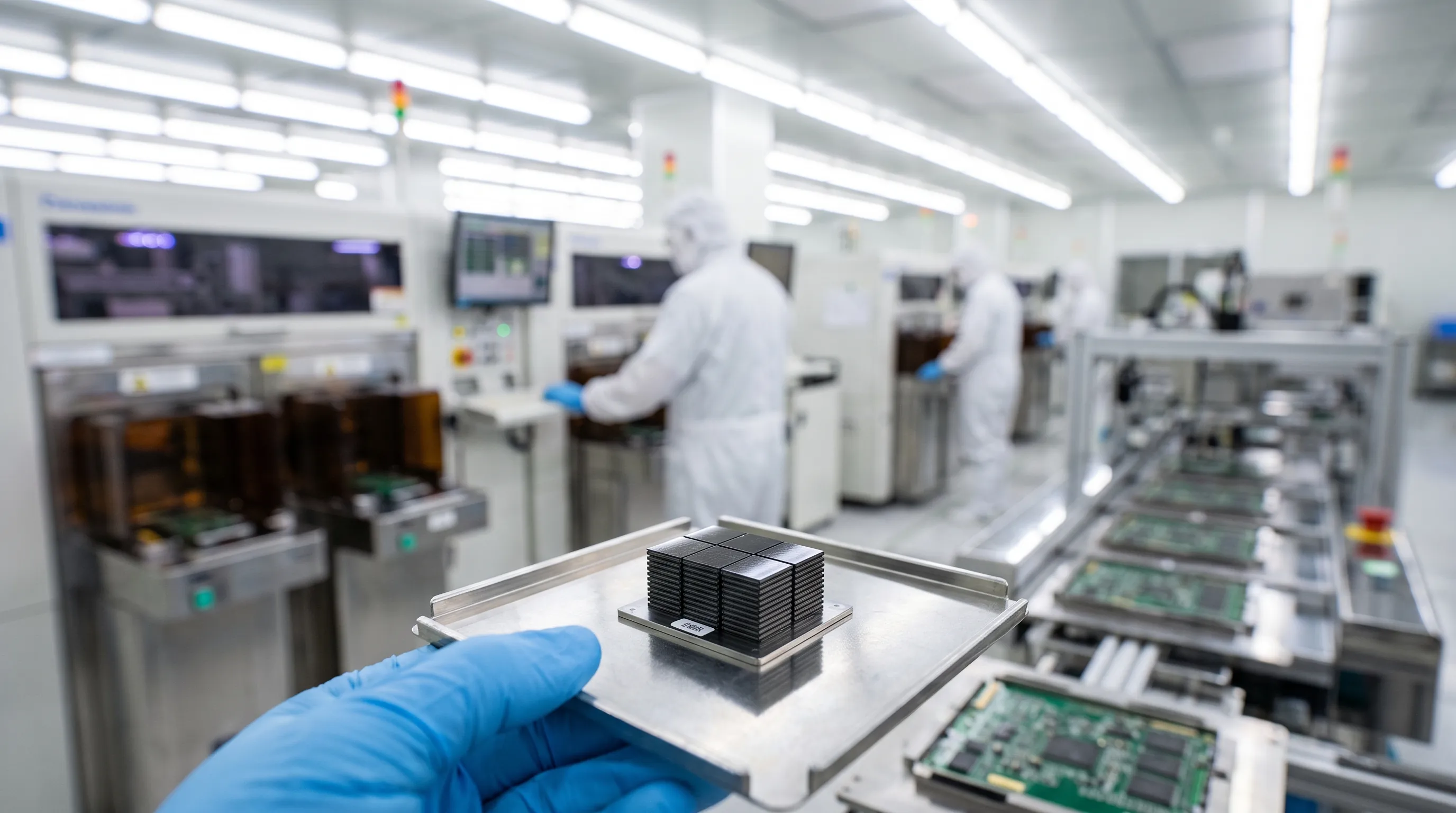
Samsung Electronics has begun moving incremental DDR5 memory‑module assembly to outsourced assembly and test (OSAT) partners while redirecting internal back‑end capacity toward high‑bandwidth memory (HBM) and prototype HBM5 work, industry reporting around Sept. 15–16, 2026 shows.
The change means Samsung will rely on third‑party OSAT firms to handle additional commodity DDR5 RDIMM, SO‑DIMM and UDIMM module assembly rather than expand those lines in‑house, according to multiple accounts citing company and supply‑chain sources.
Reporting names Samsung’s Cheonan and Onyang packaging sites as targets for conversion from conventional module back‑end work to advanced packaging lines that serve HBM production, a shift driven by limited floor space and equipment constraints.
OSAT partners and regional contract manufacturers in Vietnam, India and the Philippines are said to be expanding module and SSD assembly lines to absorb the outsourced DDR5 volume, with firms moving equipment and investing in new lines to meet the redirected output.
The move comes as AI data‑center demand and HBM contracts have tightened overall DRAM inventories and pressured commodity memory supplies, with reports that major memory makers’ on‑hand DRAM inventories have fallen into single‑digit‑day ranges.
HBM has become a priority because it pairs much higher bandwidth and energy efficiency with accelerator architectures used for large language models and other AI workloads, and Samsung has publicly signaled HBM roadmap work including next‑generation HBM5 research and advanced packaging efforts.
That combination — rising AI demand and expensive, space‑intensive packaging for HBM — has pushed Samsung to trade some conventional module throughput for more advanced package capacity, a pattern analysts say is already reshaping how foundries and back‑end fabs are organized.
Industry observers expect the near‑term effect to be tighter merchant DDR5 module availability and longer lead times for some server and client module orders as the incremental volume shifts to OSATs and domestic back‑end capability is repurposed. Markets may also see upward price pressure for commodity RDIMMs and SODIMMs while HBM supply remains constrained.
For OSATs the change is an opportunity and a logistical challenge: firms must scale cleanroom assembly, testing and module burn‑in capacity quickly and manage cross‑border supply chains for bare DRAM, PCBs and module components that Samsung previously handled internally. Reports name several regional contract manufacturers that are expanding lines to take the work.
A narrower internal footprint for conventional modules also lets Samsung concentrate scarce back‑end real estate and capital on HBM yield ramps and prototype projects that command higher margins and strategic importance for cloud customers. That focus mirrors similar moves elsewhere in the industry as suppliers chase AI‑accelerator contracts.
There are risks. Outsourcing assembly raises coordination complexity for module customers used to single‑vendor fulfillment, and any OSAT bottleneck or export restriction could feed back into module shortages. Analysts say the situation will hinge on how quickly partners scale and on HBM yield improvements.
The reported shift underscores a broader recalibration across the memory supply chain: conventional DRAM and DDR5 remain important, but manufacturers appear to be prioritizing the scarce back‑end resources required to package and test high‑value HBM for AI accelerators. Market watchers will be watching Samsung’s HBM yield trajectory and partner build‑outs for signs of how long DDR5 tightness may persist.