Satya Nadella to Testify in Musk's OpenAI Trial
Microsoft CEO set to explain early investments and deal emails as jurors hear the case
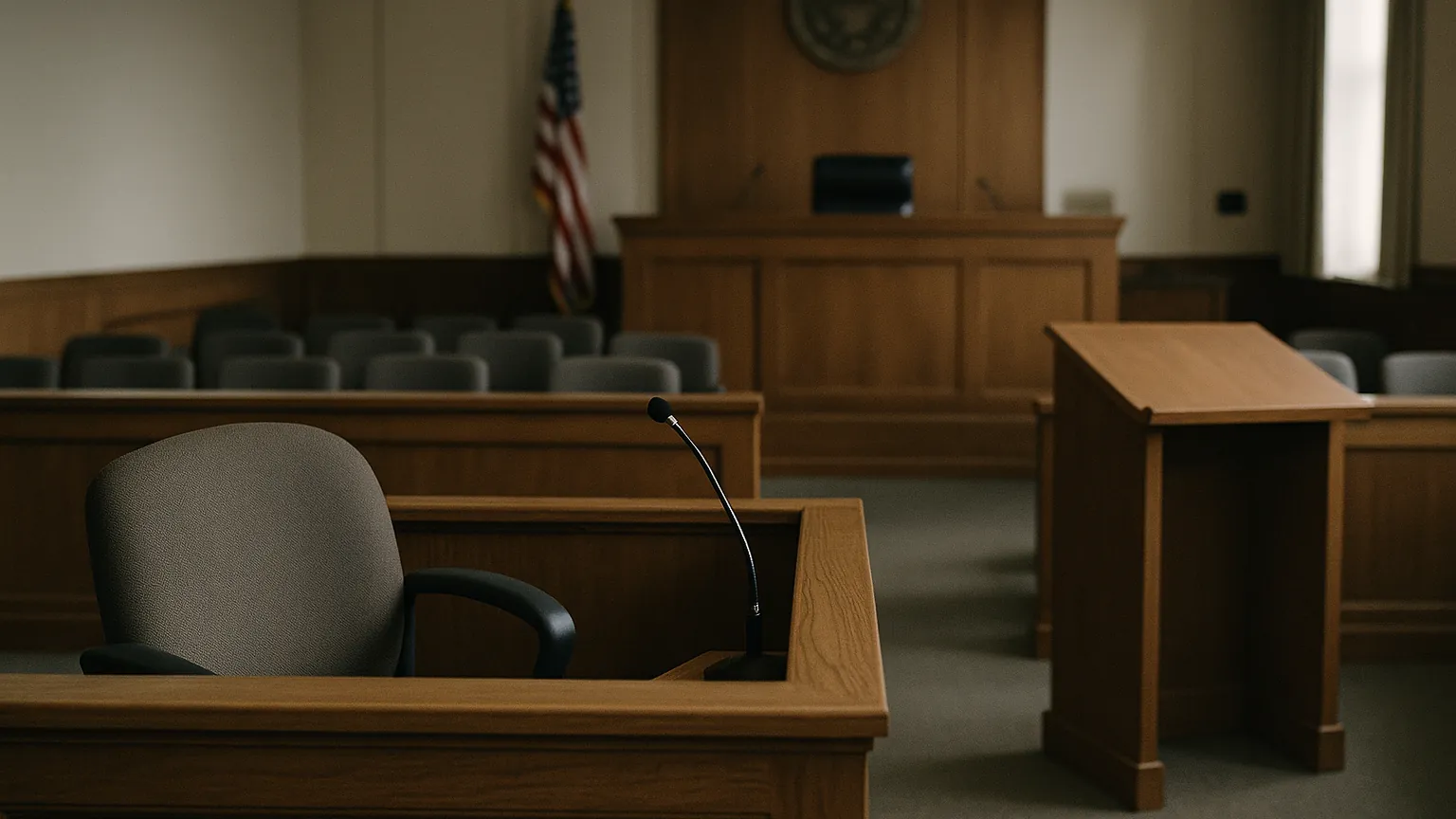
Microsoft CEO Satya Nadella is scheduled to take the witness stand this week in Elon Musk’s lawsuit against OpenAI, where lawyers say he will explain how Microsoft’s early funding and negotiations helped shape OpenAI’s move from a nonprofit model toward commercial operations.
The trial is before a federal jury in Oakland, California, and has already drawn national attention to the founding era of OpenAI and the sometimes personal feuds behind it. Elon Musk kicked off the case with his own testimony in late April, and the court will now hear from corporate and technical leaders who were central to the company’s rise.
Courtroom filings and media reports say Nadella’s testimony could put internal emails, term sheets and deal negotiations before jurors — documents Musk’s legal team argues show commercial incentives that undercut OpenAI’s original public‑benefit commitments. Lawyers on both sides have already introduced exhibits from the company’s early years.
At issue in the courtroom is how much Microsoft’s financial and compute commitments altered OpenAI’s trajectory. Public reporting and regulatory filings describe Microsoft’s multiyear investments and commercial arrangements with OpenAI that began in 2019 and expanded in later rounds. Those deals are central to the dispute over motive and control.
That background helps explain why emails and term sheets matter to jurors. If Nadella’s answers and the documents shown in court highlight business tradeoffs or specific promises, a jury may see the conversion to commercial activity as driven in part by contractual and financial forces rather than only by independent choices of OpenAI’s founders.
Legal teams are preparing for high‑stakes choreography. Musk’s lawyers want the record to underline the narrative that OpenAI abandoned its nonprofit mission after taking outside money, while defenders argue that the company’s leaders and partners acted to scale safety research by securing the resources necessary for large‑scale model training. Those competing frames will shape how the same exhibits are interpreted.
Nadella’s presence on the stand introduces a practical problem for both sides: his answers could open the door to further documents and follow‑ups that neither side fully controls. Cross‑examination may probe board discussions, email chains and the contours of commercial agreements — areas where nuance and context matter as much as single phrases.
Microsoft’s legal posture so far has emphasized that its commercial arrangements were negotiated and structured with governance safeguards and limitations on control. Company lawyers have argued that investments and cloud partnerships do not equate to day‑to‑day operational control over a separate organization, a distinction that Nadella may be asked to explain for jurors.
Beyond the courtroom, the testimony will be watched by the tech industry because it spotlights how big cloud vendors and startups structure commercial partnerships around compute, exclusivity and revenue sharing. The case is effectively testing whether those common business choices can be framed as breaches of a nonprofit bargain.
For the jury, the most vivid material is often documentary: emails that show tone, intent or coordination, and term sheets that show the specific tradeoffs the parties accepted. If the trial record includes clear, contemporaneous notes tying decisions to commercial incentives, that can be more persuasive than later recollections.
Practical outcomes from Nadella’s testimony vary. At a minimum, it could influence juror perceptions of motive and credibility; at most, it could affect damages, remedies or corporate governance remedies the judge considers if the jury finds in Musk’s favor. Court scheduling indicates other key witnesses — including OpenAI executives — will testify after Nadella, so his testimony may shape follow‑up lines of questioning.
As the week progresses, observers will watch whether the testimony brings new documentary revelations or mainly reiterates public explanations of Microsoft’s strategy. Either way, the exchange underscores a broader question the trial has raised: how modern AI development blurs the lines between research missions and commercial incentives, and who gets to decide where that line is drawn.