SpaceX Files for $55B Terafab Chip Mega‑Fab in Texas
Filing outlines a $55B initial phase for a vertically integrated AI chip complex in Grimes County
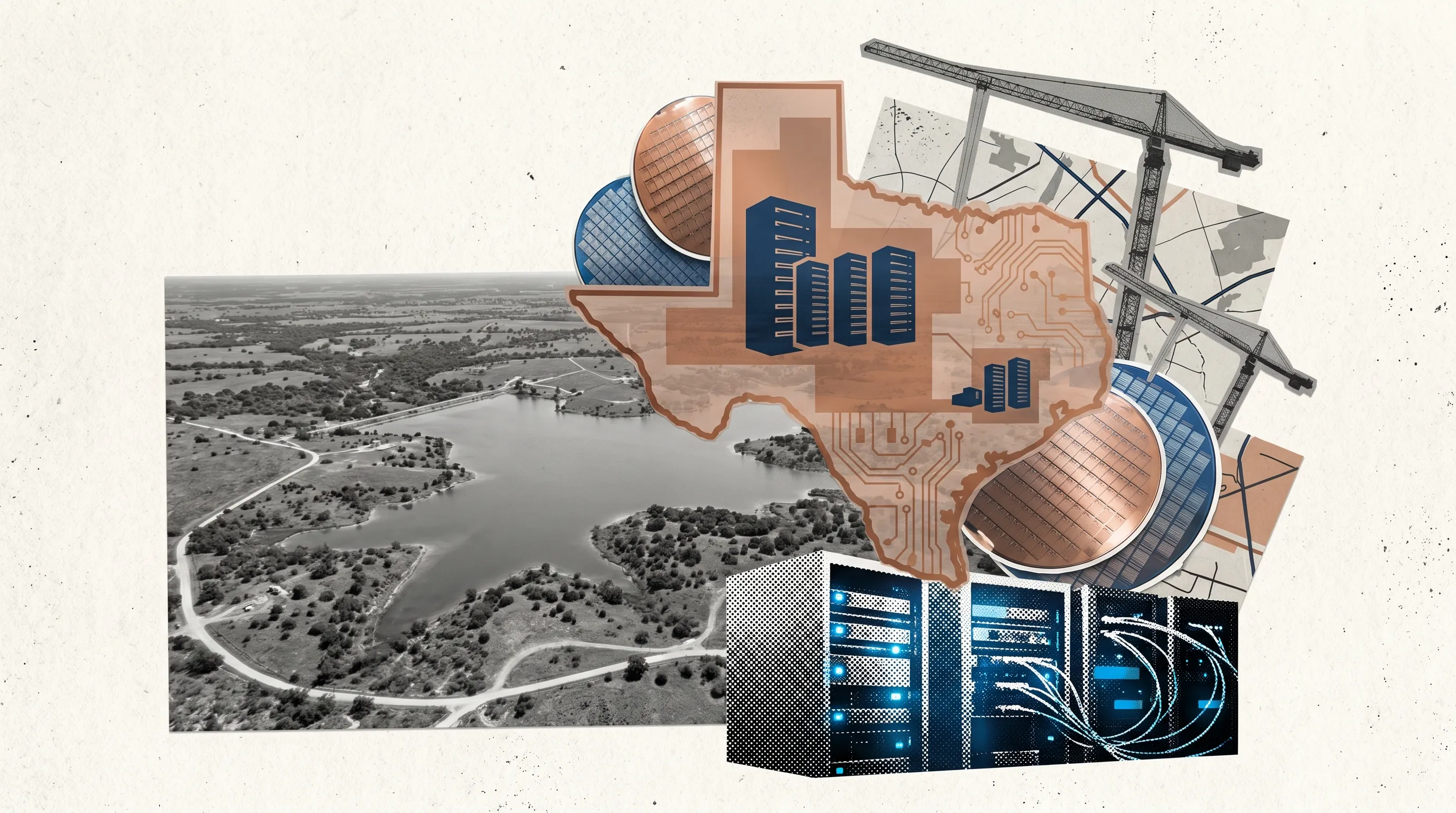
A digital collage overlays a state outline with semiconductor wafers, server racks, and construction cranes against a rural landscape. © The GPU Trade Inc 2026
SpaceX on May 6, 2026 filed public plans proposing an initial $55 billion phase of “Terafab,” a large semiconductor and advanced‑computing complex to be built in Texas, company filings show.
The filing designates the site in Grimes County around the Gibbons Creek Reservoir and was posted as part of a notice for a county hearing on a proposed reinvestment zone and property‑tax abatement scheduled for June 3.
The document describes Terafab as a multi‑phase, next‑generation and vertically integrated semiconductor manufacturing and advanced computing facility. SpaceX estimates the total capital cost could rise to roughly $119 billion if later phases are completed.
Company filings and summaries tied to the plan say the project would be a joint effort involving SpaceX and other Musk‑linked businesses, and would aim to produce logic chips, memory and advanced packaging under one roof. Reuters reported the proposal as part of Musk’s push to secure in‑house compute for his companies.
The Terafab filing also flagged ambitions to “manufacture our own GPUs” and referenced SpaceX’s broader computing strategy, including earlier public comments about using Intel’s 14A process node for some production. The S‑1 and related excerpts warn, however, that the firm lacks long‑term supply contracts and faces timing and execution risks.
Industry reporting and analysts point to practical constraints. Building modern, leading‑edge fabs requires rare equipment, specialized labor and extended timelines, and estimates of the capital needed to reach Musk’s stated compute goals have ranged far above the initial figures in the filing.
Local context matters: the proposed footprint lies on a former coal‑plant brownfield that was remediated and parceled after the plant closed. Residents and local groups say county officials posted limited public detail before the filing appeared on the county’s website, prompting questions ahead of the June public hearing.
If built to the scale SpaceX outlines, even the $55 billion initial phase would be among the largest single private semiconductor investments in U.S. history — larger than most individual fab projects and comparable to multi‑year, multi‑plant commitments by major chipmakers. The filing frames Terafab as a major new node in the AI accelerator supply chain.
The Terafab announcement lands in the context of federal semiconductor policy. Congress authorized roughly $52.7 billion in incentives and research funding under the CHIPS and Science Act of 2022 to strengthen domestic chip production, a program that industry observers say still falls short of the scale some private projects envision.
SpaceX and Musk teams have reportedly been engaging with key equipment suppliers and potential partners as they sketch out the project, reaching out to makers of wafer‑fabrication tools and packaging equipment in early planning stages. That supplier outreach underscores both the ambition and the supply‑side bottlenecks Terafab would face.
The filing also ties Terafab to Musk’s cross‑company compute needs: Tesla’s self‑driving systems, humanoid robotics ambitions, xAI and proposed space‑based data centers all factor into the demand case SpaceX presents. Company statements and S‑1 excerpts make clear the plan is intended to reduce reliance on external foundries.
What comes next is procedural and political. Grimes County officials will consider a tax abatement and reinvestment‑zone designation in June, and SpaceX has not publicly committed to a construction schedule. Analysts note that filing a plan and winning local approvals are early steps in a potentially decade‑long process to design, equip and scale chip factories to the levels envisioned.