Vertiv buys Strategic Thermal Labs to deepen liquid‑cooling expertise
Deal adds cold‑plate and server‑side validation skills to Vertiv’s thermal‑chain plan
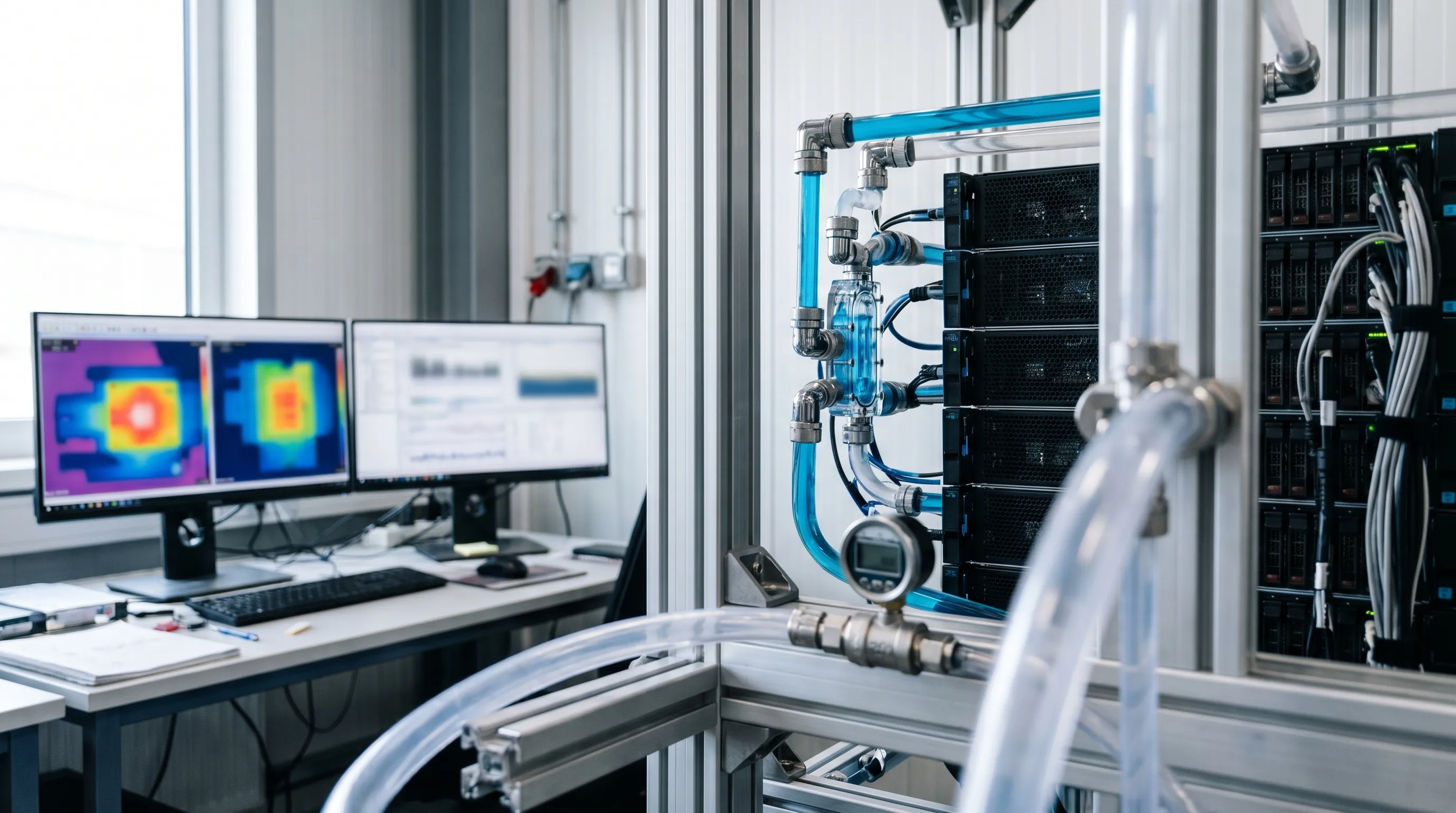
Vertiv announced on April 27, 2026 that it has acquired Strategic Thermal Labs LLC (STL), a specialist in advanced liquid‑cooling technologies.
STL brings proven cold‑plate design, server‑side liquid‑cooling know‑how and high‑density thermal validation capabilities — skills Vertiv says will help it better emulate real, high‑density compute conditions.
The company framed the purchase as an extension of its “thermal‑chain” strategy, focused on the interface between server‑side liquid cooling and the supporting infrastructure that delivers flow, controls and power. Vertiv said that interface is becoming critical for AI and high‑performance computing workloads as power densities rise.
Scott Armul, Vertiv’s chief product and technology officer, told the company that understanding chip‑level heat challenges is central to system performance and reliability — a point Vertiv used to explain why STL’s chip‑ and cold‑plate expertise matters.
Vertiv said it will use STL’s lab and engineering capabilities to better simulate and validate interactions across the thermal chain and the power train, and to improve outcomes during design, integration, commissioning and lifecycle operations. The company did not disclose purchase price or material financial terms in the announcement.
The deal comes as part of a wider push by Vertiv into liquid cooling and thermal services. In 2025 and early 2026 the company rolled out liquid‑cooling services and struck deals to broaden its heat‑rejection and fluid‑management capabilities, moves Vertiv says are aimed at serving AI‑scale, high‑density data centers.
Analysts and Vertiv’s own filings flag that the hard part of liquid cooling is not only the cold plate at the chip but the system‑level interaction — flow balancing, controls behavior, serviceability and contamination management — all areas STL says it can validate. That system‑level focus is what Vertiv describes as the practical value of adding STL’s lab capabilities.
For customers, the acquisition promises two practical benefits: better pre‑deployment validation of server‑level cooling designs, and closer integration of cooling with power and controls across a system’s life. Vertiv framed the move as enabling customers to reduce risk and improve lifecycle outcomes in liquid‑cooled environments.
Vertiv emphasized the acquisition will not lock customers into proprietary platforms. The company said it remains committed to an open, interoperable, server‑ and silicon‑agnostic approach so that its cooling and infrastructure work with a range of OEM servers and chip designs.
The acquisition also follows Vertiv’s larger manufacturing and service investments tied to AI infrastructure. Recent announcements included manufacturing expansions and earlier buys of complementary cooling and fluid‑management businesses, signaling a strategy to own more of the end‑to‑end thermal chain for AI data centers.
Vertiv’s Form 8‑K filed the same day confirmed a wholly owned subsidiary closed the deal and furnished the company press release as an exhibit, while warning of typical integration risks such as retention of key employees and potential distraction of management time.
For operators building or retrofitting AI and HPC clusters, the transaction underscores how vendors are shifting from selling discrete components to offering validated system‑level solutions that blend thermal, power and controls engineering. Vertiv said STL’s test and validation work will be used across design, commissioning and lifecycle services to help customers manage densification challenges.