xAI open‑sources Grok Build after repo‑upload revelations
Company published the Rust harness under Apache‑2.0 after researchers found the CLI uploading full repos
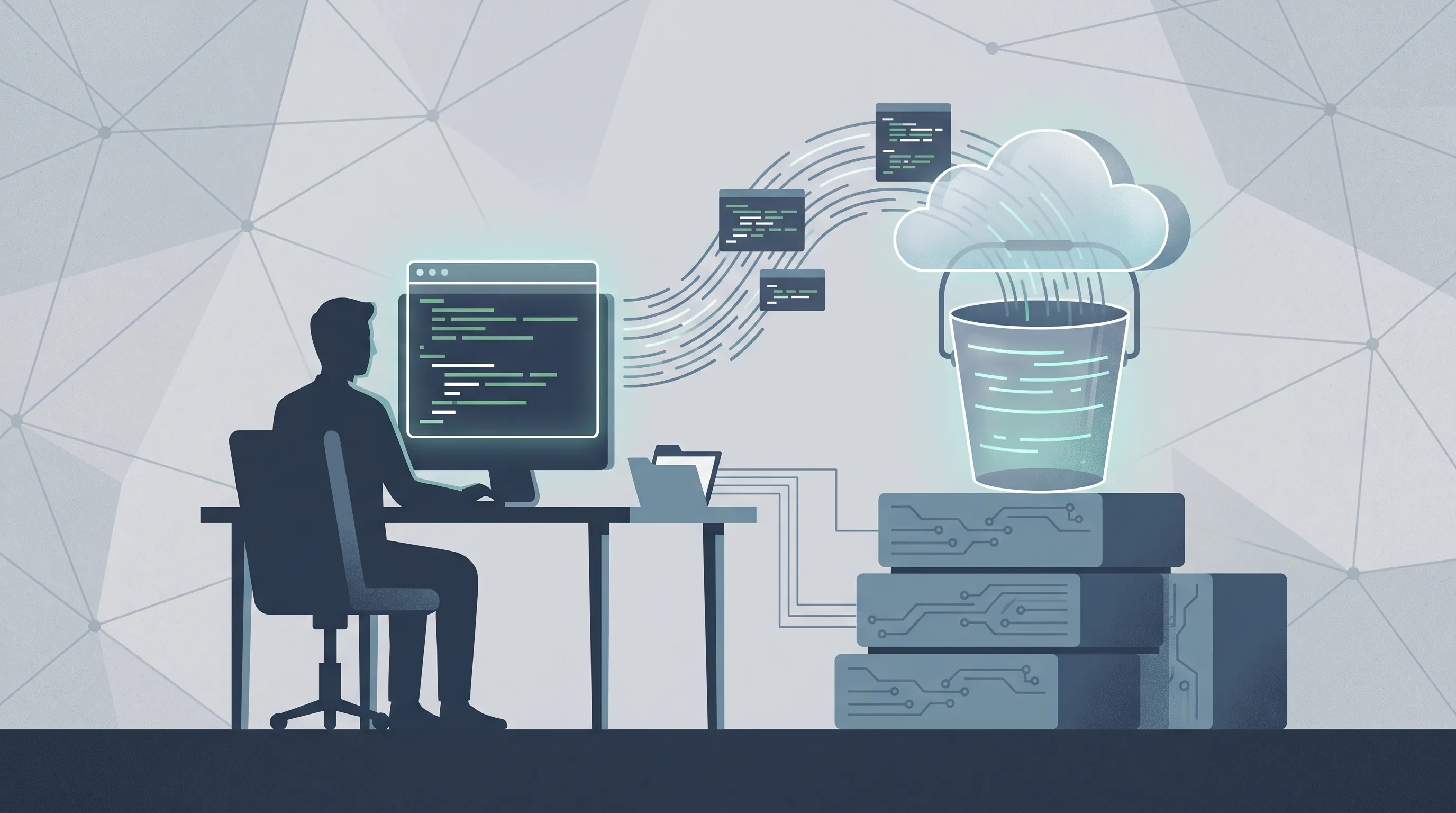
SpaceXAI — under the xAI brand — published the Grok Build client and agent harness as open‑source Rust under an Apache 2.0 license after researchers disclosed that the Grok Build CLI had been quietly uploading entire repositories to company‑controlled cloud storage.
The disclosure unfolded in mid‑July 2026 when a researcher and members of the developer community showed that running the Grok Build CLI in a Git directory could cause a background upload of that repository — including commit history and ignored files — to a Google Cloud storage bucket owned by xAI.
Independent testing reported that Grok Build sessions created two network channels: a model request that sent a small, task‑relevant payload and a separate storage channel that uploaded many times more data. In one set of measurements the storage channel sent about 5.1 gigabytes in 73 chunks of roughly 75 MB each while the model request transmitted roughly 192 kilobytes.
Within days of the public disclosures, xAI posted a blog announcing that Grok Build was “now open source” and published the repository as xai‑org/grok‑build on GitHub under an Apache 2.0 license, framing the release as part of a privacy and transparency overhaul.
The code released is the Rust harness around the agent: the terminal UI, agent loop, context assembly, tool dispatch, extension hooks, and workspace layer — in other words the client runtime rather than the Grok model weights themselves. xAI and reviewers emphasized that this is the scaffolding that assembles prompts and calls the model, not the model weights.
Open‑sourcing the client gives the community a way to inspect and compile the exact binary that runs locally, which helps validate what the shipped binary does and enables a local‑first workflow when paired with a local model or private inference endpoint. But the public release by itself cannot prove or change what servers once accepted or what stored payloads were kept.
After the disclosure, researchers retested the older 0.2.93 client and reported that the server-side responses had changed: the server began returning flags such as disable_codebase_upload: true and trace_upload_enabled: false, and subsequent client builds stopped making the storage POSTs observed earlier. xAI also said it would delete previously uploaded customer data while it investigated.
Security commentators warned that any developer who ran Grok Build in a repository before the July 13, 2026 change should assume secrets and committed history could have been transmitted, and to rotate API keys, tokens and other credentials that might have been exposed. Those practical mitigation steps were widely recommended across coverage.
The episode has renewed scrutiny on a deeper technical question: where the data plane for terminal coding agents should sit. Terminal agents that assemble local context and then move large, opaque blobs to company storage create a trust tension between the convenience of managed services and the developer expectation that local code stays local.
Community reaction mixed relief and continued skepticism. Open‑sourcing the harness reduced one audit barrier — researchers can now read the client code — but several community members pointed out that the server side, policies on retention and the exact rationale for uploading full git bundles remain opaque until xAI publishes server logs, retention schedules and a full forensic report.
Legal and compliance observers said open‑sourcing helps forensic review and compliance checks, but it does not erase potential exposure that already happened. Whether uploaded repositories were used for training, debugging, or ephemeral session continuity has technical and legal significance and has not been fully documented in public filings. xAI’s public statements so far stop short of detailed disclosures about downstream use.
For developers the immediate takeaway is pragmatic: check Grok Build logs for repo_state.upload traces, rotate secrets from affected codebases, and consider running compiled open‑source builds against local inference if you need to keep code entirely off third‑party storage. The open‑source release makes those options easier, but it is only one step toward restoring developer trust.